

 Feed back
 Privacy Policy
The Chinese zodiac, known as *shēngxiào* in Mandarin, is a traditional classification scheme based on the lunar calendar that assigns an animal sign to each year in a repeating 12-year cycle. Rooted in ancient Chinese philosophy and astronomy, this system has influenced cultural practices across East Asia for centuries. More than just a folk tradition, the Chinese zodiac plays a role in personal identity, festival celebrations, and even decision-making in areas like marriage and business. Today, it enjoys global recognition, with millions consulting their zodiac signs for insights into personality traits, annual forecasts, and relationship dynamics. This guide will explain the Chinese zodiac animals order, how to determine your Chinese zodiac year, what to expect in the upcoming 2025 Chinese zodiac prediction, and how to use a Chinese zodiac compatibility test to evaluate interpersonal relationships.
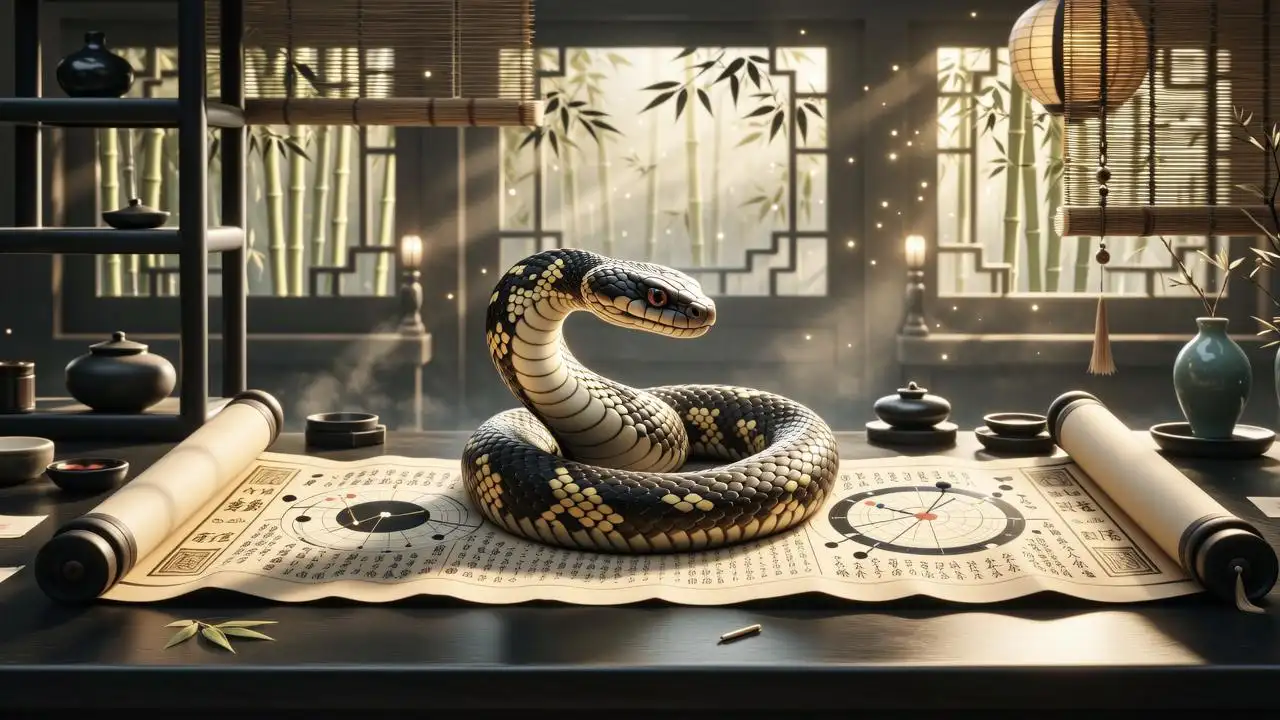
The structure of the Chinese zodiac is both systematic and symbolic. Each of the 12 animals represents a full year in a continuous loop, beginning anew after the 12th year. These years are tied not only to animals but also to the five elements—Wood, Fire, Earth, Metal, and Water—creating a more nuanced 60-year cycle when combined. However, for most cultural and popular purposes, the 12-year animal cycle remains the primary reference point. The sequence of animals is fixed and universally recognized, forming the backbone of zodiac interpretation.
The correct Chinese zodiac animals order is as follows: Rat, Ox, Tiger, Rabbit, Dragon, Snake, Horse, Goat, Monkey, Rooster, Dog, Pig. This sequence repeats every 12 years, meaning that someone born in 1984 (Year of the Rat) shares their animal sign with those born in 1996 and 2008. The reason behind this specific order stems from a legendary tale known as the "Great Race." According to folklore, the Jade Emperor held a race to determine the order of the zodiac animals. The Rat won by cleverly riding on the Ox’s back and jumping ahead at the finish line, while the Pig arrived last due to fatigue and indulgence along the way. This myth not only explains the ranking but also reflects cultural values such as wit, diligence, and perseverance.
Each year in the 12-year cycle corresponds to one animal sign based on the **lunar calendar**, which differs from the Gregorian calendar used internationally. Because the lunar new year does not fall on January 1, individuals born in January or early February may belong to the previous zodiac year. For example, a person born on January 25, 2025, would still be under the Year of the Dragon, as the Lunar New Year begins on February 10, 2025. Understanding this distinction is essential when accurately determining one's zodiac sign.
To find your Chinese zodiac year, match your birth year to the corresponding animal in the 12-year sequence. Since the cycle repeats every 12 years, you can calculate your sign by identifying the remainder when dividing your birth year by 12. However, using a verified reference chart is more reliable. Below is a list of recent and upcoming zodiac years from 2000 to 2031:
It's important to note that because the lunar new year varies between January 21 and February 20, anyone born before this date in a given Gregorian year may actually belong to the previous zodiac year. For instance, a baby born on January 15, 2025, falls under the **Year of the Dragon**, not the Snake, since the Lunar New Year begins on February 10, 2025. Reliable sources such as the Hong Kong Observatory or official Chinese almanacs provide exact dates for accurate determination.
The upcoming 2025 Chinese zodiac prediction centers around the **Year of the Wood Snake**, which spans from **February 10, 2025, to January 28, 2026**. In Chinese metaphysics, the Snake is associated with wisdom, intuition, and transformation. As a Yin fire sign, it embodies subtlety, depth, and strategic thinking. The presence of the Wood element adds growth, flexibility, and renewal, suggesting a year where patience and long-term planning will yield better results than impulsive action.
General themes for 2025 include increased caution in financial matters, opportunities for personal development, and the importance of trusting one’s instincts. It is expected to be a year of internal change rather than dramatic external events. People are encouraged to focus on self-reflection, skill-building, and strengthening existing relationships rather than initiating major new ventures.
Zodiac-specific outlooks vary significantly. The **Ox** and **Rooster** are predicted to experience favorable conditions, particularly in career advancement and financial stability. The **Monkey** may encounter unexpected challenges but can overcome them through adaptability. Conversely, the **Pig** and **Tiger** should prepare for periods of instability and are advised to avoid high-risk decisions. The **Snake**, as the ruling sign, may face mixed fortunes—while there is potential for success, overconfidence could lead to setbacks. Consulting personalized forecasts based on birth charts (including hour and month pillars) can offer deeper insights beyond general predictions.
A key application of the Chinese zodiac is assessing interpersonal dynamics through a Chinese zodiac compatibility test. This method evaluates how different animal signs interact based on three main principles: trines (harmonious trios), opposites (natural attractions), and clashes (conflicting energies).
Trines consist of animals spaced four positions apart in the cycle, forming supportive and balanced relationships. For example, the Rat (1st), Dragon (5th), and Monkey (9th) form a trine and generally get along well. Opposites, such as the Rat and Horse (positions 1 and 7), often experience strong attraction but may struggle with long-term harmony due to fundamental differences. Clashes occur between animals six positions apart, like the Rat and Goat, leading to friction and misunderstanding.
Some of the best matches include:
Common challenging pairings include:
These assessments are commonly used in romantic relationships, friendships, and even business partnerships. While not deterministic, they serve as tools for greater self-awareness and improved communication.
This guide has outlined the foundational aspects of the Chinese zodiac, including the fixed Chinese zodiac animals order, methods for identifying your Chinese zodiac year, insights from the 2025 Chinese zodiac prediction, and practical applications of a Chinese zodiac compatibility test. By understanding these elements, individuals can gain meaningful perspectives on personality traits, annual trends, and relational dynamics.
It is important to approach zodiac insights thoughtfully—not as rigid fate, but as reflective tools for self-awareness and informed planning. Whether preparing for the cautious yet transformative energy of the 2025 Wood Snake year or evaluating compatibility with a partner, these traditions offer valuable cultural wisdom. For further exploration, consider consulting detailed lunar calendars or seeking personalized reports from reputable astrological services.
Disclaimer: The content related to the Chinese zodiac discussed in this article is for informational purposes only and does not constitute professional advice. Readers are encouraged to make decisions based on personal judgment and, when necessary, consult qualified experts. The author and publisher assume no liability for actions taken based on this information.
Liam Carter
|
2025.12.30
