

 Feed back
 Privacy Policy
Astrology has fascinated humanity for thousands of years, offering a symbolic framework through which we can explore human behavior, personality traits, and life patterns. At its core, the astrology meaning lies in its ability to interpret celestial movements—particularly the positions of the Sun, Moon, planets, and stars at the time of a person's birth—and relate them to personal and spiritual insight. Far from being mere superstition, modern astrology is studied as a symbolic language that reflects psychological tendencies, emotional rhythms, and potential life paths.
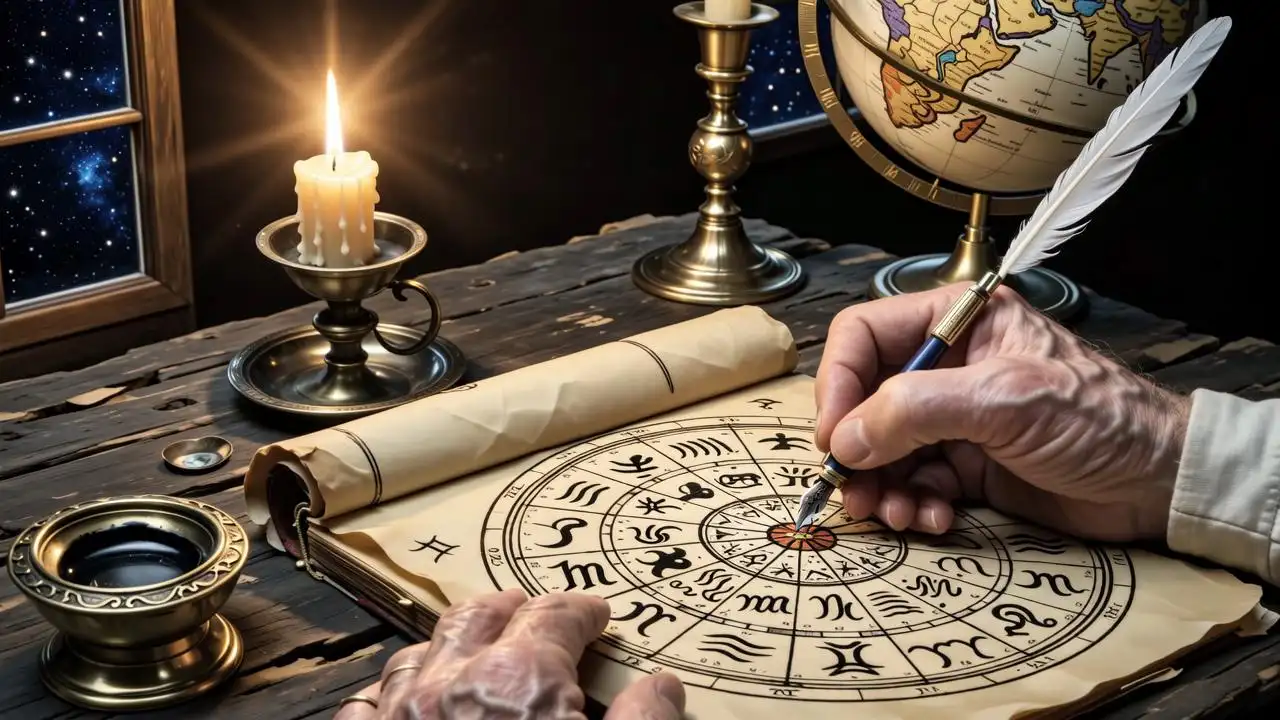
This system operates on the principle of synchronicity—the idea that cosmic events mirror inner experiences. Ancient civilizations such as the Babylonians, Egyptians, and Greeks developed complex astrological models based on careful astronomical observations. Today, people study astrology not to predict fate with certainty, but to gain deeper self-awareness, navigate relationships, and understand recurring themes in their lives. Whether used for guidance during transitions or appreciated as part of cultural heritage, astrology continues to serve as a meaningful tool for reflection across the US, UK, Canada, and beyond.
The foundation of Western astrology rests on the 12 zodiac signs, each representing distinct energies and archetypal expressions. These signs are determined by the position of the Sun at the time of birth—commonly referred to as one's "Sun sign." While popular horoscopes often focus solely on this aspect, a full understanding of the meaning of astrology signs requires examining how they interact with other components like elements and modalities.
Each zodiac sign belongs to one of four astrological elements: fire, earth, air, and water. Fire signs (Aries, Leo, Sagittarius) are associated with passion, inspiration, and action. Earth signs (Taurus, Virgo, Capricorn) reflect stability, practicality, and material grounding. Air signs (Gemini, Libra, Aquarius) govern intellect, communication, and social connection. Water signs (Cancer, Scorpio, Pisces) embody emotion, intuition, and empathy. These elemental categories help explain fundamental differences in temperament and approach to life.
In addition to elements, every sign falls under one of three modalities—cardinal, fixed, or mutable—which describe how energy is expressed. Cardinal signs (Aries, Cancer, Libra, Capricorn) initiate change and take leadership roles. Fixed signs (Taurus, Leo, Scorpio, Aquarius) provide persistence and depth, often resisting change but excelling in consistency. Mutable signs (Gemini, Virgo, Sagittarius, Pisces) adapt easily, serving as bridges between seasons and ideas. Together, elements and modalities form a nuanced map of behavioral tendencies rooted in observable patterns.
Central to the practice of astrology is symbolism in astrology, which allows practitioners to translate abstract cosmic data into relatable human experiences. Astrological symbols—such as glyphs for planets and zodiac signs—are more than decorative marks; they are encoded representations of universal forces. For instance, the glyph for Mars (♂) resembles a spear and shield, symbolizing assertiveness and conflict, while Venus (♀) mirrors a hand mirror, reflecting love, beauty, and values.
Beyond glyphs, astrology draws heavily on mythological archetypes. Each planet and sign corresponds to figures from Greco-Roman mythology—such as Apollo (Sun), Artemis (Moon), or Hermes (Mercury)—whose stories encapsulate core aspects of the human psyche. These myths act as timeless narratives that help us understand motivations, fears, and desires. When interpreting a natal chart, an astrologer doesn't just read planetary positions—they engage with these symbolic layers to reveal deeper truths about identity and purpose.
This use of imagery also bridges the physical and spiritual realms. The movement of celestial bodies follows precise mathematical laws, yet their interpretation taps into subjective, introspective dimensions. This duality makes astrology both scientifically grounded in observation and spiritually resonant in meaning—a unique blend that contributes to its enduring appeal.
To fully grasp the spiritual meaning of planets, it's essential to recognize that each planet represents an inner force shaping different areas of consciousness. Personal planets—Sun, Moon, Mercury, Venus, and Mars—govern day-to-day expressions of self. The Sun symbolizes core identity and vitality; the Moon rules emotions and subconscious patterns; Mercury governs thought processes and communication; Venus influences love, aesthetics, and values; and Mars drives action, desire, and ambition.
Outer or "transpersonal" planets—Jupiter, Saturn, Uranus, Neptune, and Pluto—operate on broader, often karmic levels. Jupiter expands opportunities and promotes growth through wisdom and faith. Saturn brings structure, responsibility, and lessons through limitation and discipline. Uranus sparks innovation, rebellion, and sudden change. Neptune dissolves boundaries, inspiring dreams, illusions, and spiritual awakening. Pluto governs transformation, power, and rebirth, often revealing hidden truths beneath the surface.
Planetary rulerships further deepen interpretation. For example, Mars rules Aries and traditionally ruled Scorpio (now shared with Pluto), linking courage and aggression with deep emotional intensity. Understanding these connections helps trace how planetary influence shapes psychological development and spiritual evolution over time.
While signs and planets describe *what* energies are present, the 12 houses in astrology show *where* those energies manifest in life. The natal chart is divided into 12 segments, each corresponding to a specific domain of experience—from self-identity and finances to career, relationships, and spirituality. Learning the astrology house meanings explained offers crucial context for accurate natal chart interpretation.
For instance, the 1st house relates to self-image and appearance; the 2nd governs income and possessions; the 7th house, positioned directly opposite the 1st, deals with partnerships and marriage. If Venus—the planet of love—is located in the 7th house in Libra (its ruling sign), this suggests a strong emphasis on harmonious, committed relationships. Conversely, if Mars is in the 7th in Aries, conflicts may arise in partnerships due to direct or impulsive behavior.
House placement modifies how planetary and sign energies express themselves. A Moon in Cancer may naturally indicate emotional sensitivity, but if placed in the 10th house (career/public image), this could mean the individual expresses care and nurturing through professional roles, such as in healthcare or leadership. Thus, integrating houses completes the picture, turning isolated symbols into a coherent narrative of personal experience.
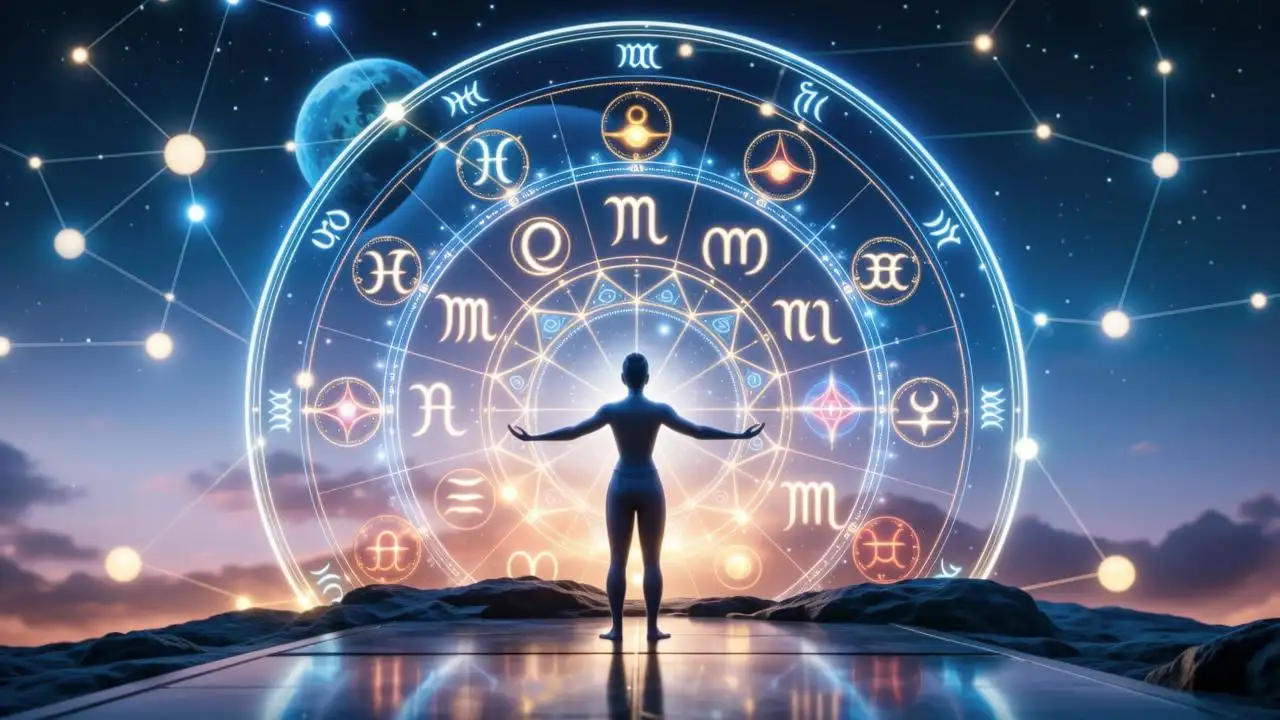
True insight comes from synthesizing all components: the zodiac signs define personality styles, the planets represent internal drives, and the houses locate where these dynamics play out in life. This integration transforms astrology from a set of fragmented traits into a holistic model of human experience. Recognizing the interconnectedness of astrology meaning, symbolism in astrology, and planetary and house placements empowers individuals to use astrology as a tool for personal growth rather than deterministic prediction.
Beginners should approach chart reading with curiosity and critical thinking. Start by identifying your Sun, Moon, and rising signs, then explore how planets fall in houses and signs. Use reputable resources, such as those provided by the American Federation of Astrologers or the Royal Astrological Society, to ensure accuracy. Remember, no single placement defines you entirely—context is key.
Ultimately, astrology invites introspection. It does not dictate destiny but illuminates possibilities, challenges, and potentials already within reach. By engaging with its rich symbolism and structured logic, anyone can deepen self-understanding and live more consciously aligned with their authentic path.
【Disclaimer】The content related to Astrology mentioned in this article is for reference only and does not constitute any professional advice in any related field. Readers should carefully assess their own circumstances and consult qualified professionals when necessary. The author and publisher of this article are not liable for any consequences arising from any actions taken based on its content.
Lena Carter
|
2026.01.04
