

 Feed back
 Privacy Policy
Vedic astrology, also known as Jyotish astrology system, is one of the oldest and most sophisticated astrological traditions in human history. Rooted in the ancient Vedic scriptures of India, this spiritual science dates back over 5,000 years and forms an integral part of Hindu philosophy and cosmology. Unlike Western astrology, which emphasizes psychological tendencies, Jyotish (from "Jyoti," meaning light or wisdom) focuses on karma, dharma, and the soul's evolutionary journey across lifetimes. The foundational texts, such as the *Vedanga Jyotisha* and later classical works like the *Brihat Parashara Hora Shastra*, outline a comprehensive system for interpreting celestial influences at the time of birth.
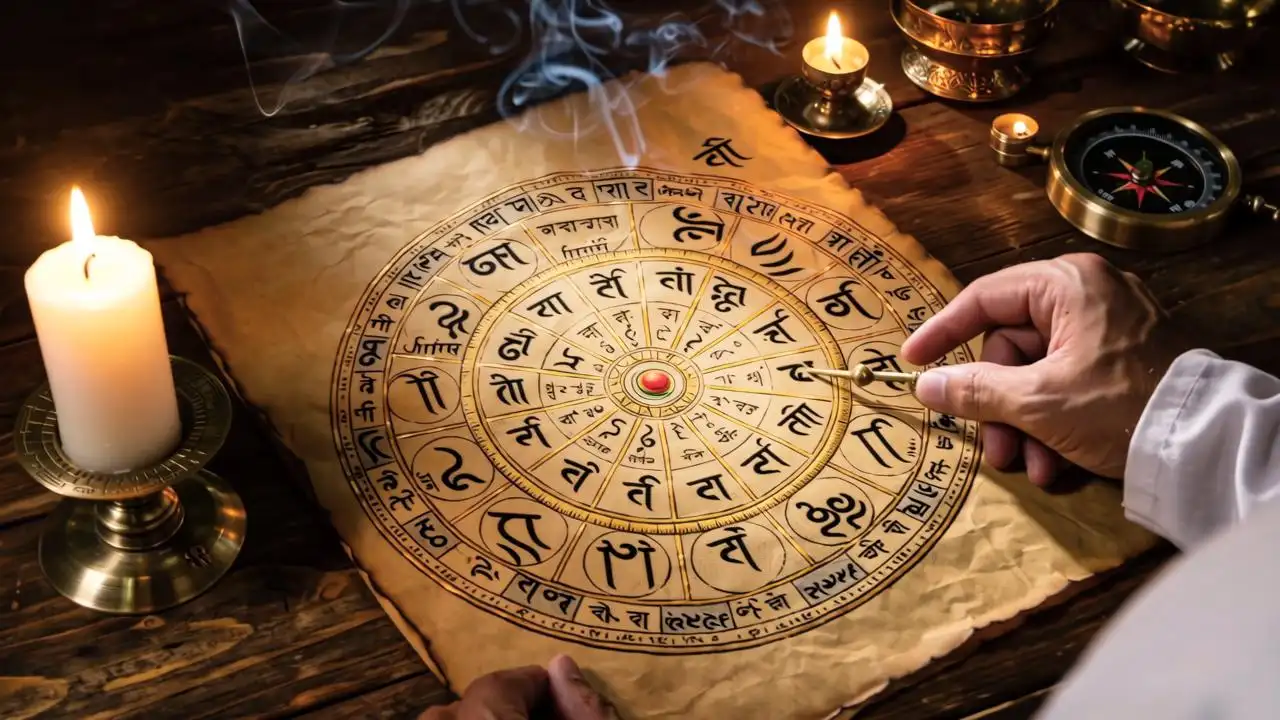
The purpose of Vedic astrology extends beyond mere prediction; it serves as a tool for self-awareness, timing important life events, and aligning with cosmic rhythms. In modern spiritual and personal development practices, individuals use Vedic astrology to gain clarity on career paths, health concerns, emotional patterns, and relationship dynamics. Its relevance today lies in its structured approach to understanding life's challenges and opportunities through planetary cycles and karmic imprints. Key components include the analysis of birth charts, planetary positions, dasha periods, and compatibility assessments—each offering distinct insights into an individual's destiny and potential.
At the heart of the Jyotish astrology system is the sidereal zodiac, which differs fundamentally from the tropical zodiac used in Western astrology. While the tropical system is based on the Earth's seasonal cycle relative to the Sun (anchored to the spring equinox), the sidereal system accounts for the actual observed positions of constellations in the sky, adjusting for the precession of the equinoxes. This results in a roughly 24-degree difference between the two systems, meaning that a person's sun sign in Vedic astrology may differ from their Western counterpart.
One of the unique features of Jyotish is the use of the 27 Nakshatras, or lunar mansions. These are segments of the ecliptic along which the Moon travels each month, each spanning 13 degrees and 20 minutes. Each Nakshatra has its own deity, symbolic animal, ruling planet, and behavioral traits, adding a nuanced layer to chart interpretation. For example, someone born under Rohini Nakshatra (ruled by the Moon) may exhibit nurturing qualities and artistic inclinations, while those under Ardra (ruled by Rahu) might experience intense transformations and restlessness.
Another cornerstone of the Jyotish astrology system is the Dasha system, a predictive tool that maps out the timing of major life events. The most widely used is the Vimshottari Dasha, a 120-year cycle distributed among nine planets. Each planet rules a specific period, and within that, sub-periods (called bhuktis) further refine predictions. For instance, if a person is in their Jupiter Dasha during early adulthood, they may experience growth in education, spirituality, or family matters—especially if Jupiter is well-placed in their chart.
Vedic birth chart reading, or Kundali analysis, begins with precise astronomical data: the exact time, date, and place of birth. Using this information, astrologers calculate the positions of the planets at the moment of birth and plot them onto a circular or square chart divided into twelve houses. This chart, known as the Rashi chart or Lagna chart, acts as a cosmic blueprint reflecting the soul's karmic imprint and life trajectory.
Each of the twelve houses governs specific areas of life. The first house (Lagna) represents self, physical body, and personality; the second governs wealth and speech; the fourth relates to home and emotions; the seventh to marriage and partnerships; the tenth to career and public reputation; and the twelfth to losses and liberation. Planets placed in these houses influence how their energies manifest in corresponding life domains. For example, Mars in the 10th house may indicate a dynamic, competitive career path, possibly in fields like engineering, military, or surgery.
The Ascendant, or Lagna, holds central importance in Vedic birth chart reading. Determined by the rising sign on the eastern horizon at birth, it shapes the entire structure of the chart and determines the placement of all other houses. Even two people born on the same day can have vastly different charts if their birth times differ by even 20 minutes, underscoring the precision required in Jyotish calculations. Accurate time correction methods, such as rectification using significant life events, are often employed when birth time is uncertain.
The planets in Vedic astrology, known collectively as the Navagrahas, consist of the Sun (Surya), Moon (Chandra), Mars (Mangal), Mercury (Budha), Jupiter (Guru), Venus (Shukra), Saturn (Shani), and the shadow planets Rahu (North Lunar Node) and Ketu (South Lunar Node). Each carries distinct energetic qualities and governs particular aspects of human experience. For example, Jupiter symbolizes wisdom, expansion, and higher learning, while Saturn denotes discipline, restriction, and long-term karmic lessons.
In Vedic astrology, planets are classified as benefic or malefic not inherently, but based on their position, dignity, and relationship to the Ascendant. For instance, Jupiter and Venus are generally benefic, especially in dual or movable signs, whereas Saturn, Mars, and the lunar nodes tend to be malefic unless well-placed. However, functional malefics—such as the ruler of the 6th, 8th, or 12th house—can bring challenges even if naturally benevolent.
Transits (Gochara) play a critical role in forecasting daily influences. When Saturn transits a particular house, for example, it may trigger restructuring or delays related to that domain. Similarly, the conjunction of Jupiter and Saturn—a rare event occurring approximately every 20 years—was notably aligned in Capricorn in December 2020, marking a global shift toward structural reforms and digital transformation, according to many Jyotish scholars.
A key application of Vedic astrology compatibility match is in evaluating romantic relationships, particularly for marriage. Known as Kundali matching or Ashtakoota Guna Milan, this method assesses eight categories of compatibility—such as mental harmony (Varna), emotional affection (Vashya), and financial stability (Dhana)—assigning points based on planetary alignment between partners' charts. A maximum of 36 points can be achieved, with 18 considered the baseline for a stable union; matches scoring above 24 are deemed highly favorable.
Dosha analysis is another crucial aspect of Vedic astrology compatibility match. The presence of Mangal Dosha (when Mars is placed in the 1st, 4th, 7th, 8th, or 12th house) is believed to create marital discord or delay, though it can be nullified by certain planetary combinations or partner charts. Similarly, Pitra Dosha, indicated by afflictions in the 9th house or malefic influence on Jupiter, suggests ancestral karmic burdens affecting prosperity and parental relationships. Remedies such as rituals, gemstone therapy, or charitable acts are often recommended to mitigate negative effects.
Beyond marriage, compatibility reports help couples understand deeper emotional, physical, and karmic connections. By comparing divisional charts—especially the Navamsa (D-9) chart—astrologers evaluate the strength of planetary placements in both partners' charts, revealing whether the relationship supports spiritual growth and mutual fulfillment.

The Jyotish astrology system offers a profound and structured framework for understanding life patterns, karmic tendencies, and future possibilities. Through detailed Vedic birth chart reading, analysis of planets in Vedic astrology, and tools like Dasha timing and Vedic astrology compatibility match, individuals can make informed decisions about relationships, careers, and personal development. Unlike deterministic models, Jyotish emphasizes free will within karmic boundaries, encouraging conscious choices to improve one's path.
For accurate and meaningful insights, consulting a qualified Jyotish practitioner is strongly advised. Modern software aids calculation, but interpretation requires deep knowledge of classical principles and intuitive discernment. Those interested in deeper study are encouraged to explore authoritative texts such as the Brihat Parashara Hora Shastra, which systematically outlines chart construction, planetary significations, and remedial measures.
[Disclaimer] The content related to Astrology and related topics in this article is for reference only and does not constitute professional advice in any related field. Readers should carefully assess their own circumstances and consult qualified professionals if necessary. The authors and publishers of this article are not liable for any consequences arising from any actions taken based on the content of this article.
Arun Mehta
|
2026.01.04
