

 Feed back
 Privacy Policy
The ancient Maya civilization, flourishing across present-day Mexico, Guatemala, Belize, Honduras, and El Salvador, developed one of the most sophisticated cosmological systems in human history. Central to their worldview was Mayan astrology, a complex framework rooted in celestial observation, sacred mathematics, and spiritual insight. Unlike modern Western horoscopes based on 12 zodiac signs aligned with constellations, the Maya structured time through cyclical patterns that reflected both earthly rhythms and cosmic order. At the heart of this system lies the Mayan zodiac calendar, known as the Tzolk'in—a 260-day sacred calendar used for divination, agriculture, and ceremonial life.
For the Maya, time was not linear but cyclical and alive—imbued with energy and meaning. Each day carried its own unique spiritual signature, shaped by a combination of numbers and symbols. This understanding guided everything from planting crops to conducting rituals and selecting auspicious dates for important events. While Western astrology emphasizes individual personality traits based on sun signs, Mayan astrology focuses more on the energetic quality of time itself and how individuals interact with it. The result is a deeply personal yet universally resonant system that continues to inspire seekers today.
At the core of Mayan thought is a profound reverence for nature, astronomy, and divine cycles. The Maya believed that the cosmos operated according to precise mathematical laws, which they meticulously recorded using advanced calendrical systems. Their observations allowed them to predict eclipses, track planetary movements, and align monumental architecture with celestial bodies. These astronomical insights were inseparable from spiritual practice, forming the foundation of Mayan astrology.
In ancient Maya society, priests and astronomers—often the same individuals—served as intermediaries between the human and divine realms. They interpreted celestial omens, conducted ceremonies, and advised rulers on governance and warfare. Astrology was not merely predictive; it was a tool for maintaining harmony between people, nature, and the gods. The Mayan zodiac calendar played a central role in these practices, serving as a guide for daily life and long-term planning.
One key difference between Western and Mayan astrological systems is their basis in time measurement. Western astrology relies primarily on the solar year and divides it into 12 equal segments (the zodiac signs), each associated with a constellation. In contrast, the Mayan system operates on multiple interlocking cycles, the most spiritually significant being the 260-day Tzolk'in. This calendar does not follow the solar year but instead combines 13 numbers with 20 named days, creating a unique day sign for each date. This structure allows for 260 distinct combinations (13 × 20), each carrying specific meanings and energies.
The Mayan zodiac calendar, or Tzolk'in, is a masterpiece of Mesoamerican science and spirituality. It consists of two primary components: the 13 Galactic Numbers and the 20 Day Signs. These elements rotate independently and combine to form a cycle of 260 unique days. For example, the first day might be "1 Imix," followed by "2 Ik," "3 Akbal," and so on until all combinations are exhausted.
The number sequence runs from 1 to 13, then resets back to 1, while the 20 Day Signs proceed in a fixed order without reset. This creates a continuous loop where no two days have the same combination within the 260-day period. After completion, the cycle begins anew—an expression of the Mayan belief in recurring time and eternal return.
Each of the 20 Day Signs carries symbolic meaning drawn from nature, mythology, and daily experience. Examples include Imix (Crocodile), representing creation and primal energy; Ik (Wind), symbolizing breath, communication, and change; and Akbal (Darkness), linked to intuition, night, and the spirit world. When combined with a number from 1 to 13, the resulting day sign gains additional nuance—higher numbers often indicate greater intensity or outward expression, while lower numbers suggest subtlety and internal focus.
This cyclical model reflects a worldview in which time is sacred and repetitive, rather than progressive. Events do not simply pass—they recur in altered forms, offering opportunities for learning and transformation. Understanding your birth day within the Tzolk'in can provide deep insight into your character, purpose, and life path, forming the basis for interpreting Mayan astrology signs meanings.
To explore the Mayan astrology signs meanings, one must examine each of the 20 Day Signs in detail. Here are brief profiles of several key signs:
There are 16 more signs, each with its own symbolism and influence—from Ben (Reed), linked to wisdom and direction, to Etznab (Flint), associated with clarity, truth, and sharp judgment. Your specific day sign is determined by your birth date according to the Tzolk'in calendar. Various conversion tools and tables exist to help modern users calculate their Mayan sign based on the Gregorian calendar.
Unlike Western sun signs, which remain constant regardless of birth time, the Mayan system assigns only one day sign per 260-day cycle. Therefore, even people born years apart can share the same sign if their birthdays align with the same Tzolk'in date. This reinforces the idea that certain energies repeat cyclically, influencing different generations in similar ways.
Understanding your sign offers more than personality insights—it provides guidance on strengths to cultivate and challenges to overcome. Many use this knowledge for self-reflection, relationship compatibility, or career decisions, making the Mayan zodiac calendar a living tool for personal development.
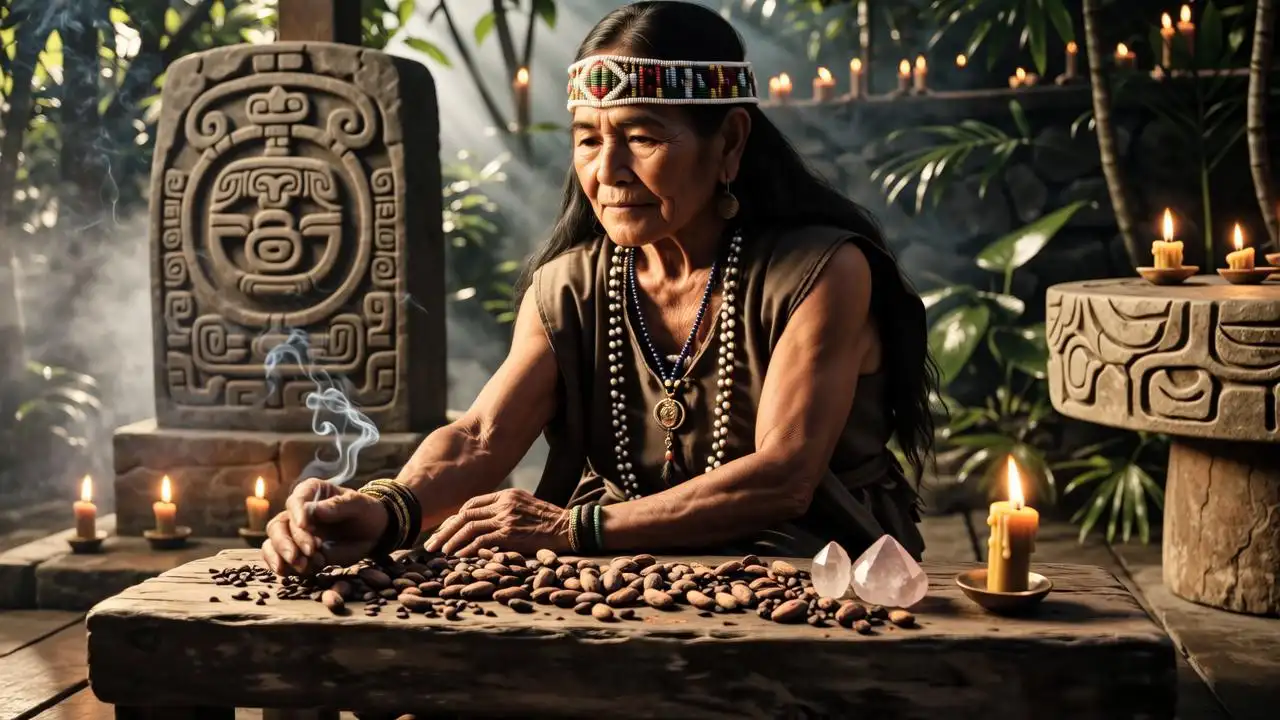
A central figure in traditional Mayan spiritual practice is the Day Keeper—a respected elder or shaman trained in the interpretation of the Tzolk'in. Also known as *Aj Q'ij* ("keeper of the days") in K'iche' Maya, the Day Keeper performs a Mayan day keeper reading to offer guidance, healing, and ceremonial timing advice.
Historically, Day Keepers served entire communities, helping families choose favorable dates for weddings, births, or agricultural activities. Today, many continue this tradition in highland Guatemala and southern Mexico, preserving ancestral knowledge despite centuries of colonization and cultural suppression. Modern seekers from around the world consult Day Keepers for insight into life transitions, health concerns, or spiritual alignment.
A typical Mayan day keeper reading involves prayer, meditation, and the use of sacred objects such as crystals, candles, or cacao. The Day Keeper may cast seeds or count rosary-like beads to determine the client's birth sign and assess current energetic influences. Based on this analysis, they offer interpretations, recommendations, and sometimes perform cleansing rituals.
The purpose extends beyond prediction—it's about restoring balance and connecting individuals to the sacred flow of time. Whether seeking clarity during hardship or preparing for a new endeavor, participants often report feeling grounded and empowered after a session. As interest grows globally, some certified practitioners now offer remote readings, though purists emphasize the importance of face-to-face interaction and cultural context.
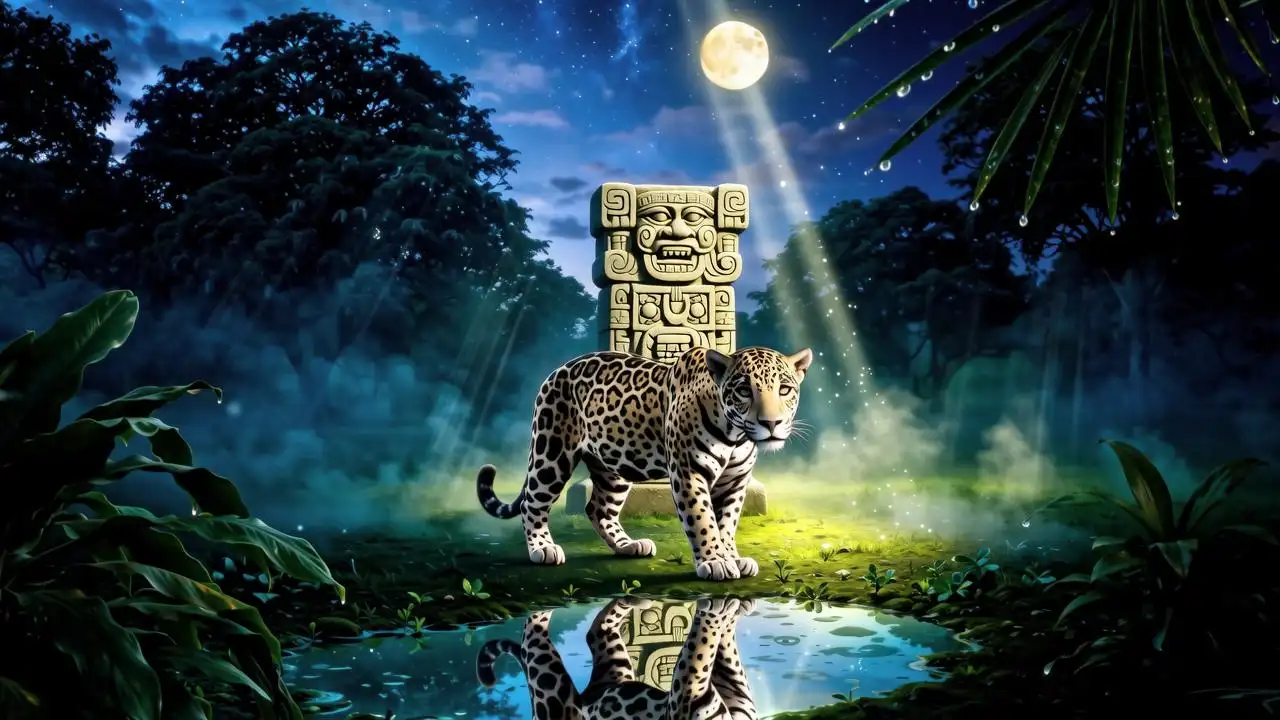
In Mayan cosmology, humans are not separate from nature but deeply interconnected with it. This belief manifests in the concept of the nagual—a spiritual guardian or animal counterpart assigned at birth. Often referred to as a Mayan astrology spirit animal, the nagual acts as a protector and source of inner power.
Each of the 20 Day Signs corresponds to a particular animal or natural force. For instance, Imix is linked to the crocodile or jaguar, symbolizing primal strength and leadership. E' (Deer) connects to grace, sensitivity, and alertness, while Cimi (Death) is associated with the bat, representing transformation and passage between worlds.
Your Mayan astrology spirit animal is derived from your Tzolk'in birth sign and reveals instinctive qualities you possess or need to develop. It also serves as a guide during meditation or vision quests. Some traditions believe that harming one's nagual brings misfortune, underscoring the sanctity of the bond.
These associations enrich the interpretation of Mayan astrology signs meanings, adding a layer of ecological wisdom and animistic spirituality. By honoring your spirit animal, you acknowledge the intelligence and sacredness present throughout the natural world.
The enduring legacy of mayan astrology invites us to reconsider our relationship with time, identity, and the environment. While rooted in an ancient culture, the insights of the Mayan zodiac calendar remain relevant for modern self-exploration and holistic living. However, engaging with this tradition requires a culturally respectful approach—one that honors its Indigenous origins rather than reducing it to a trend.
You can begin by calculating your Tzolk'in birth sign and reflecting on its Mayan astrology signs meanings. Use this awareness for journaling, mindfulness, or setting intentions. Some integrate the calendar into daily practice by noting the prevailing energy of each day. Others seek authentic experiences through retreats led by Maya elders or accredited educators.
For deeper study, consider resources published by scholars working alongside Maya communities, such as those from the Foundation for the Advancement of Mesoamerican Studies (FAMSI) or bilingual texts in Yucatec or K'iche' Maya. Avoid commercialized versions that distort or commodify sacred knowledge.
Ultimately, the Mayan system reminds us that we are part of larger cycles—of nature, spirit, and time. When approached with humility and respect, it becomes a powerful lens for personal growth and global awareness.
【Disclaimer】The content related to Astrology mentioned in this article is for reference only and does not constitute any professional advice in any related field. Readers should carefully assess their own circumstances and consult qualified professionals when necessary. The author and publisher of this article are not liable for any consequences arising from any actions taken based on its content.
Kaelen Rivera
|
2026.01.05
