

 Feed back
 Privacy Policy
The zodiac is a celestial coordinate system that has played a vital role in both astronomy and astrology for thousands of years. At its core, the zodiac refers to an imaginary belt in the sky along the ecliptic—the apparent path of the Sun across the heavens over the course of a year—divided into twelve equal segments, each associated with a constellation and a specific time period. This system serves as a foundational framework for tracking planetary movements and interpreting their symbolic meanings in human affairs. Beyond its technical use in ancient skywatching, the zodiac holds deep cultural significance across civilizations, from Mesopotamian star charts to modern horoscopes in global media. This guide aims to provide a clear and accurate account of the zodiac explained, covering its historical development, structural design, and enduring influence.
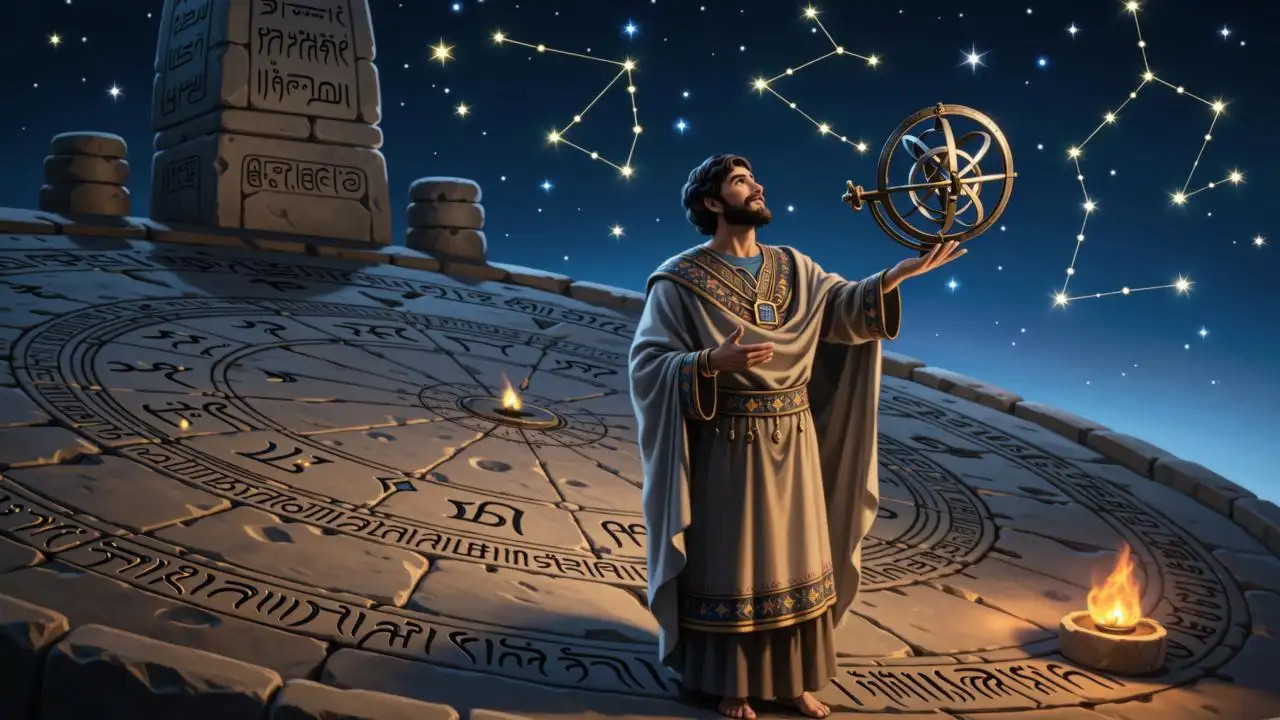
In exploring the origins of this celestial system, it’s essential to recognize that early human societies relied heavily on astronomical observations to organize time, agriculture, and religious practices. The division of the sky into recognizable patterns helped ancient cultures align their calendars with seasonal changes, ensuring timely planting and harvesting. Over centuries, these practical observations evolved into complex symbolic systems, where constellations became associated not only with time but also with deities, myths, and personality archetypes. Today, while scientific astronomy operates independently of astrological interpretation, the symbolic language of the zodiac continues to resonate in popular culture, psychology, and personal identity frameworks.
Defining the zodiac as an astrological and astronomical system, we find it rooted in the intersection of science and symbolism. Astronomically, the zodiac identifies the 360-degree band around the Earth’s orbital plane where the Sun, Moon, and visible planets appear to move. Astrologically, it assigns meaning to these positions, suggesting correlations between celestial configurations and human experiences. The twelve signs—Aries, Taurus, Gemini, Cancer, Leo, Virgo, Libra, Scorpio, Sagittarius, Capricorn, Aquarius, and Pisces—each span 30 degrees of this circle and are linked to specific dates based on the Sun’s position at birth.
The cultural significance of the zodiac spans continents and millennia. In ancient Egypt, Babylon, Greece, India, China, and Mesoamerica, star-based calendars informed religious rituals, agricultural cycles, and royal legitimacy. For example, the Egyptian calendar incorporated decans—star groups rising every ten days—that influenced later Hellenistic astrology. Similarly, Chinese astronomers developed a 12-year animal cycle aligned with Jupiter’s orbit, reflecting parallel efforts to harmonize time with cosmic rhythms.
The purpose of this guide is to offer a reliable and well-structured resource for anyone seeking to understand the zodiac explained in depth. By tracing its evolution from ancient observation to modern interpretation, explaining the structure of the zodiac wheel chart, and comparing global traditions, we aim to deliver educational value grounded in historical accuracy and cultural awareness.
The earliest known evidence of zodiacal thinking comes from Mesopotamia, particularly among the Babylonians around the 5th century BCE. These skilled astronomers divided the ecliptic into twelve equal parts, each named after prominent constellations such as The Great Twins (Gemini), The Lion (Leo), and The Scales (Libra). Unlike earlier irregular divisions, this standardized system laid the groundwork for what would become the classical zodiac. According to records preserved in cuneiform tablets, the Babylonians used these divisions to predict seasonal shifts and interpret omens—a practice deeply embedded in their religious worldview.
These constellations were more than just star patterns; they were intrinsically linked to seasonal cycles and deities. For instance, the appearance of Leo in the night sky coincided with the hot summer months, which Babylonians associated with the lion-like wrath of certain gods. Agricultural festivals, temple rites, and even legal decisions could be timed according to celestial events. This integration of astronomy, religion, and daily life underscores how the origin of the zodiac signs was both practical and spiritual.
The transmission of this knowledge to Greek civilization marked a pivotal moment in the history of the zodiac. During the Hellenistic period, Greek scholars like Hipparchus and later Ptolemy synthesized Babylonian data with Egyptian decanal astrology and philosophical concepts from Aristotle and Plato. By the 1st century CE, Claudius Ptolemy’s *Tetrabiblos* formalized the twelve-sign tropical zodiac, anchoring it to the vernal equinox and standardizing its use in horoscopic prediction. This Greco-Roman model became the dominant framework in Western astrology.
The development of the zodiac accelerated during the Hellenistic era in Egypt, especially in Alexandria, a major center of learning. Here, Babylonian celestial records merged with Egyptian timekeeping and Greek logic to form **horoscopic astrology**—a system that casts a chart (*horoscope*) based on the exact time, date, and location of birth. This innovation allowed for highly personalized interpretations, linking individual destinies to planetary alignments at the moment of birth.
Roman adoption of astrology further spread the zodiac throughout Europe. Emperors like Tiberius consulted astrologers for political decisions, and horoscopes became common among the elite. Despite periodic suppression by Christian authorities who viewed astrology as incompatible with free will, the practice persisted through manuscripts preserved in monasteries and scholarly circles.
During the Islamic Golden Age (8th–14th centuries), Muslim astronomers such as Al-Biruni and Albumasar translated and expanded upon Greek and Indian astrological texts. They refined observational techniques, improved planetary tables, and distinguished between astronomical calculation and mystical interpretation—contributing significantly to the preservation and intellectual rigor of the history of the zodiac.
The Renaissance saw a revival of astrological interest in Europe, fueled by renewed access to classical texts and advances in printing. Figures like Johannes Kepler, though skeptical of deterministic astrology, still cast horoscopes and studied planetary harmonics. Today, modern interpretations blend psychological insights (e.g., Carl Jung’s archetypal theory) with digital tools that generate instant natal charts, making the zodiac explained more accessible than ever.
The zodiac wheel chart is a circular diagram representing the 360-degree ecliptic divided into twelve 30-degree segments, each corresponding to a zodiac sign. Arranged in a clockwise sequence starting from Aries at 0°, the chart provides a visual map of planetary positions relative to Earth. Natal charts place the rising sign (Ascendant) at the leftmost point, creating a personalized snapshot of the sky at birth.
Each sign belongs to one of four elements: **fire**, **earth**, **air**, and **water**. Fire signs (Aries, Leo, Sagittarius) are associated with energy, passion, and initiative. Earth signs (Taurus, Virgo, Capricorn) reflect stability, practicality, and material focus. Air signs (Gemini, Libra, Aquarius) symbolize intellect, communication, and social connection. Water signs (Cancer, Scorpio, Pisces) represent emotion, intuition, and sensitivity. These elemental groupings help explain behavioral tendencies and compatibility patterns.
In addition, modalities—also called qualities—further classify the signs: **cardinal** (initiators: Aries, Cancer, Libra, Capricorn), **fixed** (stabilizers: Taurus, Leo, Scorpio, Aquarius), and **mutable** (adaptors: Gemini, Virgo, Sagittarius, Pisces). Together, elements and modalities create a nuanced typology that forms the backbone of astrological analysis.
Sun sign positions indicate core identity traits, but full charts incorporate the Moon (emotions), Mercury (communication), Venus (love), Mars (drive), and other planets. Their placements in houses and aspects (angular relationships) refine interpretation, demonstrating how the zodiac functions as a multidimensional symbolic language.
While the Western zodiac dominates popular media, other cultures have developed distinct systems. The **Chinese zodiac** features a 12-year cycle with animal symbols (Rat, Ox, Tiger, etc.), each linked to one of five elements (Wood, Fire, Earth, Metal, Water). Unlike the solar-based Western model, it follows a lunar-solar calendar and emphasizes generational traits.
**Vedic astrology** (Jyotish), practiced in India, uses a sidereal zodiac calibrated to actual star positions, differing by about 24 degrees from the tropical zodiac due to axial precession. This results in most people having a different sun sign in Vedic versus Western astrology. Jyotish also incorporates lunar mansions (*nakshatras*) and karma-based forecasting.
Mesoamerican civilizations like the Maya used complex calendars combining 260-day ritual cycles with solar years, integrating celestial events into governance and cosmology. Though structurally different, these systems share the zodiac’s underlying principle: aligning human life with cosmic order.
The distinction between **tropical** (season-based) and **sidereal** (star-based) zodiacs remains central to debates about accuracy and tradition. While Western astrology uses the tropical system tied to equinoxes, many argue the sidereal reflects true celestial alignment. Nonetheless, both serve symbolic rather than strictly scientific purposes.
In contemporary contexts, the zodiac appears widely in media, dating apps, and self-help literature. Psychologists sometimes use it metaphorically to explore personality archetypes, while critics caution against overgeneralization. Understanding the origin of the zodiac signs helps contextualize its modern uses—not as deterministic fate, but as a cultural tool for reflection and dialogue.
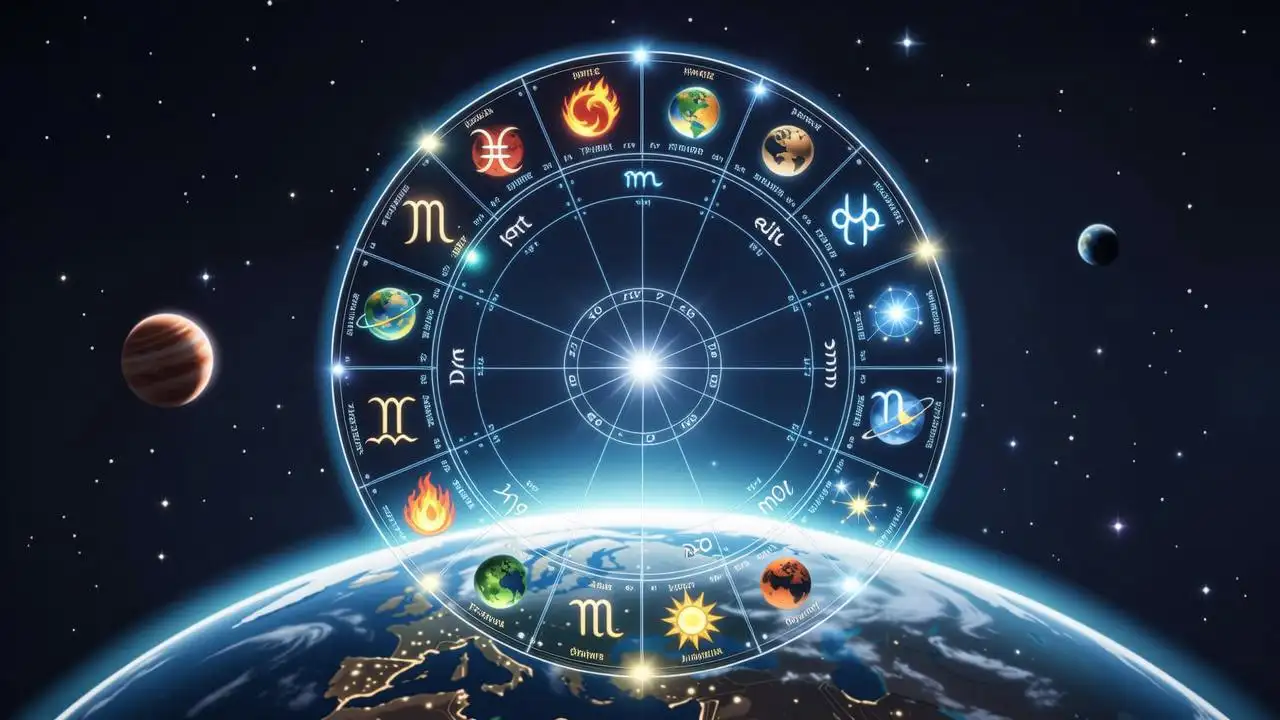
This exploration of the history of the zodiac reveals a rich tapestry of astronomical observation, mythological symbolism, and cross-cultural exchange. From Babylonian star watchers to digital horoscope generators, the zodiac has continuously adapted while maintaining its core structure. The zodiac wheel chart endures as a powerful visual metaphor for understanding cycles of time and human nature.
The reason the zodiac remains relevant today lies in its ability to offer narrative meaning in an uncertain world. Whether used for entertainment, introspection, or cultural study, it invites curiosity and self-awareness. However, critical engagement is essential: recognizing its symbolic nature prevents misinterpretation as scientific fact.
We encourage readers to explore further—with open minds and discerning judgment—the many dimensions of this ancient system. By studying its roots and applications, one gains not only knowledge of stars, but insight into humanity’s timeless quest to find order in the cosmos.
Disclaimer: The content related to Zodiac mentioned in this article is for informational purposes only and does not constitute professional advice in any field. Readers are encouraged to make decisions based on their own judgment and consult qualified experts when necessary. The author and publisher assume no liability for any actions taken based on the information provided.
Clara Bennett
|
2025.12.30
