

 Feed back
 Privacy Policy
Zodiac signs have fascinated humanity for thousands of years, serving as a symbolic framework to interpret personality, behavior, and life patterns. Rooted in ancient Babylonian astronomy and later refined by Greek and Roman astrologers, the zodiac divides the sky into 12 equal segments, each associated with a specific constellation and time period. These divisions form the foundation of Western astrology, where an individual’s birth date determines their sun sign—one of the 12 zodiac signs. While not scientifically validated, many people find value in exploring zodiac signs traits as a tool for self-reflection and interpersonal understanding.
The relevance of zodiac signs in modern culture persists across media, relationships, and personal development. Horoscopes appear daily in newspapers and apps, and discussions about compatibility often reference astrological profiles. This widespread interest stems from the human desire to understand oneself and others. By examining zodiac signs traits, individuals can gain insights into behavioral tendencies, emotional responses, and communication styles. Although astrology should not replace psychological evaluation or professional advice, it offers a structured, symbolic language for exploring personality dimensions.
The 12-sign cycle is based on the Earth's annual orbit around the Sun. Each sign governs approximately 30 days, beginning with Aries in late March and ending with Pisces in mid-March. This cyclical model reflects seasonal changes and cosmic rhythms, linking human experience to broader natural patterns. Understanding your zodiac sign provides a starting point for deeper exploration of how celestial symbolism intersects with personal identity.
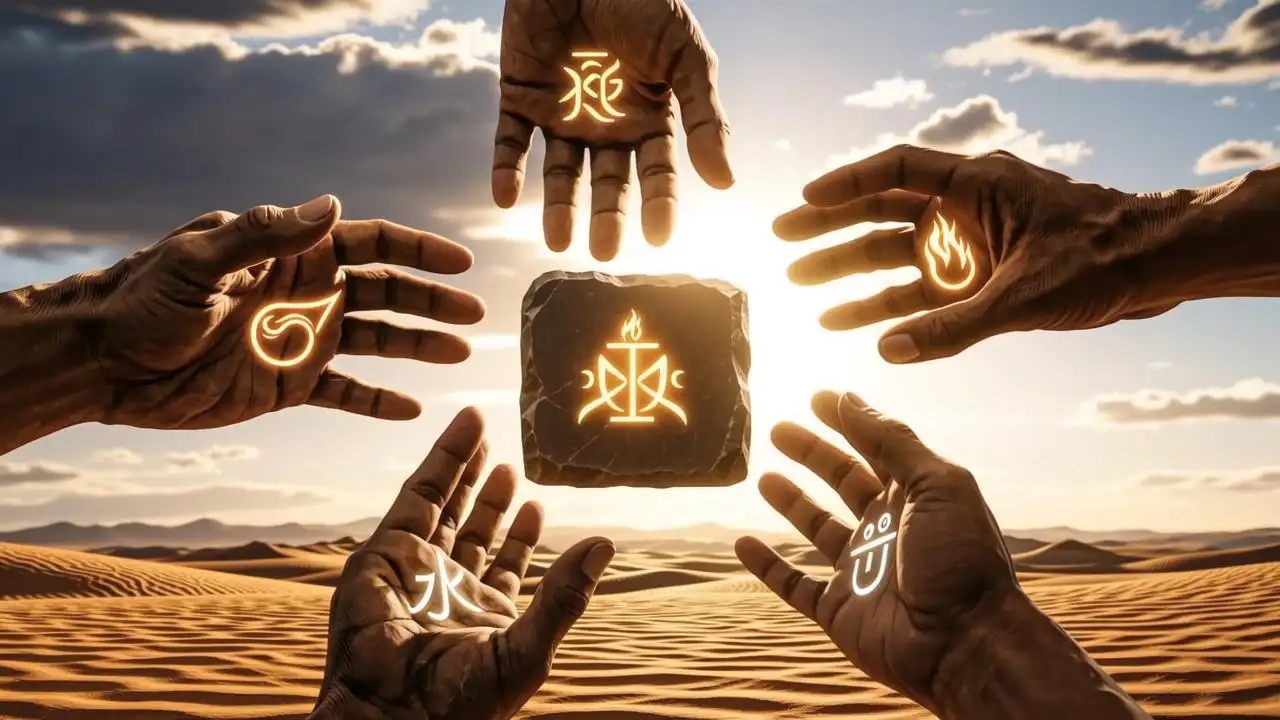
The zodiac consists of 12 distinct signs, each spanning a specific date range and associated with unique characteristics. The list begins with Aries (March 21 – April 19), known for its boldness and initiative, and continues through Taurus (April 20 – May 20), valued for stability and sensuality. Gemini (May 21 – June 20) brings intellectual curiosity, while Cancer (June 21 – July 22) emphasizes emotional depth and nurturing instincts. Leo (July 23 – August 22) radiates confidence and creativity, followed by Virgo (August 23 – September 22), which values precision and service.
The second half includes Libra (September 23 – October 22), symbolizing balance and diplomacy; Scorpio (October 23 – November 21), associated with intensity and transformation; Sagittarius (November 22 – December 21), representing adventure and optimism; Capricorn (December 22 – January 19), known for discipline and ambition; Aquarius (January 20 – February 18), highlighting innovation and independence; and finally Pisces (February 19 – March 20), linked to empathy and imagination.
Beyond dates, zodiac signs are grouped into four elemental categories: Fire, Earth, Air, and Water. Fire signs (Aries, Leo, Sagittarius) are energetic, passionate, and action-oriented. Earth signs (Taurus, Virgo, Capricorn) tend to be practical, grounded, and reliable. Air signs (Gemini, Libra, Aquarius) excel in communication, intellect, and social connection. Water signs (Cancer, Scorpio, Pisces) are intuitive, emotional, and deeply attuned to feelings. These elements help explain fundamental motivations behind zodiac signs traits.
Additionally, modalities—Cardinal, Fixed, and Mutable—describe how each sign approaches change and action. Cardinal signs (Aries, Cancer, Libra, Capricorn) initiate new cycles. Fixed signs (Taurus, Leo, Scorpio, Aquarius) maintain stability and focus. Mutable signs (Gemini, Virgo, Sagittarius, Pisces) adapt and transition. Together, elements and modalities create a nuanced system that enhances the interpretation of zodiac signs and their behavioral expressions.
From Aries to Virgo, each zodiac sign exhibits distinct strengths and challenges. Aries individuals are courageous leaders but may act impulsively. Taurus natives appreciate comfort and loyalty but can resist change. Gemini thrives on variety and conversation yet may struggle with consistency. Cancer offers deep emotional support but may become overly protective. Leo inspires with charisma and generosity, though pride can sometimes dominate. Virgo excels in analysis and organization but may lean toward perfectionism.
In the latter half of the zodiac, Libra seeks harmony and fairness, often avoiding conflict at personal cost. Scorpio possesses emotional intensity and resilience, though secrecy can hinder openness. Sagittarius embraces freedom and truth-seeking, occasionally overlooking details. Capricorn demonstrates responsibility and long-term vision, sometimes at the expense of spontaneity. Aquarius champions progress and original thought but may appear detached. Pisces embodies compassion and artistic sensitivity, though boundaries may blur under emotional pressure.
These personality traits are further shaped by planetary rulers—celestial bodies believed to govern each sign. For example, Mars rules Aries, fueling assertiveness and drive. Venus governs Taurus and Libra, influencing love, beauty, and values. Mercury oversees Gemini and Virgo, affecting communication and cognition. Emotional depth in Cancer and Scorpio is tied to the Moon and Pluto, respectively. Jupiter expands Sagittarius’ optimism, while Saturn instills Capricorn’s discipline. Uranus, Neptune, and Pluto influence the modern rulerships of Aquarius, Pisces, and Scorpio, adding layers to traditional interpretations of zodiac signs traits.
One of the most popular applications of astrology is in assessing relationship dynamics. Compatibility between zodiac signs often hinges on elemental alignment. Fire and Air signs typically energize each other, while Earth and Water signs share nurturing connections. Opposing elements—such as Fire and Water—may face friction unless mutual respect and adaptation occur. Polarity also matters: signs of the same polarity (positive/masculine: Fire and Air; negative/feminine: Earth and Water) may complement or clash depending on context.
Shared traits foster understanding—two Geminis may enjoy lively conversations, while two Cancers might build emotionally secure bonds. Conversely, contrasting traits can create balance: a spontaneous Aries may inspire a cautious Taurus, while a pragmatic Capricorn could ground a dreamy Pisces. Astrological frameworks suggest that awareness of these differences improves empathy and reduces misunderstandings.
Using zodiac signs traits to enhance communication involves recognizing inherent preferences. For instance, direct Aries may need to moderate bluntness with sensitive Pisces, while analytical Virgo benefits from expressing appreciation more openly. Research from the *Journal of Social and Personal Relationships* (2018) indicates that couples who discuss non-traditional topics—including shared interests like astrology—report higher levels of intimacy and engagement. While not a predictor of success, understanding zodiac-based tendencies supports intentional relationship growth.
Zodiac knowledge can serve as a springboard for self-awareness and personal development. Recognizing patterns in one’s behavior—such as a Leo’s need for recognition or a Virgo’s attention to detail—can lead to greater emotional intelligence. Some workplaces even use personality assessments inspired by archetypal models (like those in astrology) to improve team dynamics, although they rely on psychometrically validated tools rather than horoscopes.
However, it is crucial to distinguish between meaningful frameworks and stereotypes. Labeling someone solely based on their zodiac sign risks oversimplification. For example, assuming all Scorpios are “secretive” or all Geminis are “indecisive” ignores individual complexity shaped by upbringing, environment, and choice. Fact-based astrology acknowledges these nuances, treating zodiac signs traits as symbolic guides rather than deterministic rules.
Scientific skepticism toward astrology remains strong. According to NASA and major astronomical institutions, there is no empirical evidence supporting causal links between planetary positions and human behavior. The precession of the equinoxes has also shifted constellations relative to calendar dates, meaning most people’s “true” star sign differs from their traditional one—a point often overlooked in popular astrology. Despite this, cultural embrace continues, particularly in digital spaces. A 2023 Pew Research Center survey found that 29% of U.S. adults believe astrology is “scientific,” and 62% consult horoscopes occasionally for entertainment or reflection.
This overview highlights key aspects of the 12 zodiac profiles, emphasizing how zodiac signs traits offer symbolic insight into personality, relationships, and personal growth. From elemental groupings to planetary influences, the zodiac presents a structured system for interpreting human tendencies. While not a substitute for scientific psychology, it provides accessible language for discussing emotions, motivations, and interactions.
Engaging with astrology critically means appreciating its cultural significance without mistaking metaphor for fact. Readers are encouraged to explore beyond sun signs by studying birth charts, which incorporate moon signs, rising signs (ascendants), and planetary placements for a fuller picture. Resources such as astro.com offer free chart calculations based on exact birth time and location, enabling deeper exploration of astrological characteristics.
Ultimately, understanding zodiac signs enriches self-knowledge when approached with curiosity and discernment. Whether used for introspection, conversation, or creative inspiration, zodiac signs traits remain a enduring part of global culture—one that invites ongoing learning and thoughtful application.

【Disclaimer】The content related to zodiac signs and astrological traits discussed in this article is intended for general informational and entertainment purposes only. It does not constitute professional advice in psychology, astronomy, or any other field. Readers are encouraged to make decisions based on their own judgment and, when necessary, consult qualified experts. The author and publisher disclaim any liability for actions taken based on the information provided herein.
Liam Carter
|
2025.12.22
