

 Feed back
 Privacy Policy
The Jyotish astrology system, often referred to as Vedic astrology, is a time-honored tradition rooted in the ancient intellectual and spiritual heritage of India. Unlike modern pseudoscientific interpretations of astrology, Jyotish—derived from the Sanskrit word *jyotiḥ*, meaning "light"—is formally recognized as one of the six Vedangas, or auxiliary disciplines of the Vedas, designed to support the proper understanding and application of Vedic rituals and life guidance. As a comprehensive framework for analyzing human destiny and cosmic influence, the vedic astrology system offers a structured methodology grounded in astronomy, mathematics, and metaphysical philosophy. This guide aims to provide an objective, fact-based exploration of the origins, components, and applications of the Jyotish astrology system, distinguishing it clearly from Western and other astrological models while highlighting its enduring relevance in both traditional and contemporary contexts.
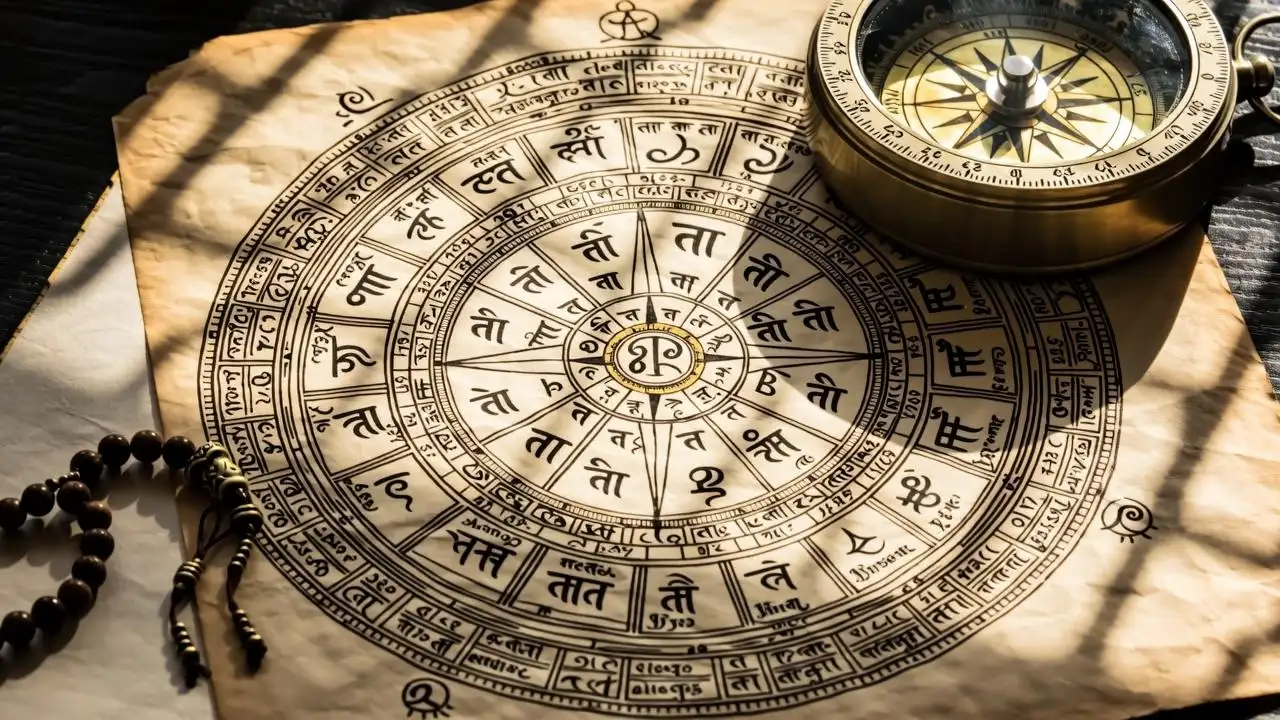
One of the most defining characteristics of the Jyotish astrology system is its reliance on the sidereal zodiac, which accounts for the precession of the equinoxes—a phenomenon ignored in the tropical zodiac used by Western astrology. This fundamental difference results in a typical shift of approximately 24 degrees between planetary positions calculated under each system, leading to distinct interpretations of birth charts. While Western astrology emphasizes psychological traits and personal development, the vedic astrology model focuses on karma, dharma, and the cyclical nature of time. The predictive strength of Jyotish lies not only in chart analysis but also in its sophisticated timing techniques, making it uniquely suited for long-term life forecasting and event-based consultations such as marriage compatibility (Kundali matching) and auspicious timing (Muhurta).
The roots of the Jyotish astrology system can be traced back over 3,000 years to the sacred texts of the Vedas, particularly the Rigveda and Atharvaveda. References to celestial observations, lunar cycles, and the influence of stars on human affairs appear in hymns dedicated to deities like Surya (the Sun) and Chandra (the Moon), indicating an early integration of astronomical knowledge with spiritual practice. These Vedic foundations laid the groundwork for what would later evolve into a formalized science known as *Jyotiṣa*, literally meaning "science of light," encompassing both astronomy (*nakshatra-vidya*) and astrology (*phalita-jyotiṣa*).
Over centuries, the ancient Jyotish tradition was systematized through classical Sanskrit treatises authored by sages and scholars. Among the most influential of these is the *Brihat Parashara Hora Shastra*, attributed to the sage Maharishi Parashara, which remains a cornerstone text in modern vedic astrology studies. This extensive compendium outlines planetary significations, house meanings, divisional charts, and dasha systems with remarkable precision. Other notable works include Varahamihira’s *Brihat Jataka* and Mantreswara’s *Phaladeepika*, both of which contributed significantly to the methodological rigor of the Jyotish astrology system.
A key factor in the development of Jyotish was its close relationship with ancient Indian astronomy. Unlike many other cultural astrologies that separated myth from observation, the Vedic tradition maintained a dual focus: precise calculation of planetary movements and interpretation of their karmic implications. Timekeeping methods based on lunar months (*tithis*), solar days (*solar saura māsa*), and nakshatra cycles were integral to religious festivals, agricultural planning, and royal decision-making. This fusion of empirical science and metaphysical insight continues to define the integrity of the Jyotish astrology system today.
At the heart of the vedic astrology components is the natal chart, known as the *Kundali* or *Janma Kundali*. Constructed using the exact date, time, and place of birth, this chart maps the positions of the nine celestial bodies—the Navagrahas—across twelve divisions called *Bhavas* (houses). Each house governs specific areas of life, from identity and wealth to relationships, health, and spirituality. For example, the first house (Lagna) represents self and physical appearance, while the seventh governs partnerships and marriage.
The Navagrahas include the Sun (Surya), Moon (Chandra), Mars (Mangala), Mercury (Budha), Jupiter (Guru), Venus (Shukra), Saturn (Shani), along with the two lunar nodes—Rahu (ascending node) and Ketu (descending node). These are not merely symbolic; each planet carries inherent qualities (natural benefic/malefic tendencies), rulership over signs and houses, and specific periods of influence throughout a person's life. Their placement, aspects (*drishti*), conjunctions, and strengths (*shadbala*) are meticulously analyzed to determine life patterns and potential challenges.
Equally important are the 27 **Nakshatras**, or lunar mansions, which divide the ecliptic into segments of 13°20'. Each Nakshatra has its own ruling deity, symbol, and behavioral attributes, offering granular insights into personality, emotional tendencies, and compatibility. For instance, someone born under Rohini Nakshatra may exhibit nurturing and artistic traits, while those under Ardra might display transformative or turbulent energies. The Moon’s position at birth determines the Janma Nakshatra, a critical factor in Muhurta (electional astrology) and naming ceremonies.
Prediction in the Jyotish astrology system relies on a multi-layered analytical approach. Central to this is the **Dasha system**, a unique timing mechanism that identifies active planetary periods influencing different phases of life. The most widely used is the Vimshottari Dasha, spanning 120 years and distributed among the nine planets based on the Moon’s Nakshatra at birth. For example, if a person is born under the Pushya Nakshatra, they begin life under the influence of Saturn (Shani Mahadasha), which lasts 19 years. Sub-periods (*antardashas*) further refine predictions, allowing astrologers to pinpoint events such as career shifts, marriages, or health issues with notable accuracy.
In addition to dashas, transits—known as **Gochara**—play a vital role in timing events. Planetary movements relative to the natal chart are monitored closely, especially for slow-moving planets like Jupiter (which transits one sign every year) and Saturn (approximately two and a half years per sign). A classic predictive technique involves assessing when Jupiter enters the 9th or 5th house from the natal Moon—a period often associated with spiritual growth, higher education, or progeny.
To deepen analysis, Jyotish employs **divisional charts** (*Vargas*), specialized projections of the birth chart focusing on particular life domains. There are 16 primary Vargas, including the *D-9 Navamsa* (for marriage and spiritual path), *D-10 Dasamsa* (career), and *D-7 Saptamsa* (children). A planet strong in the Rasi (main) chart but weak in the Navamsa may indicate unfulfilled potential in relationships, even if the surface reading appears favorable. This layered methodology enhances the reliability of vedic astrology predictions, setting it apart from more generalized interpretive systems.
The Jyotish astrology system is deeply interwoven with core concepts of Hindu philosophy, particularly **dharma** (duty/righteousness), **karma** (action and consequence), and **reincarnation**. Unlike deterministic models, Jyotish does not claim fate is fixed; rather, it views the birth chart as a reflection of accumulated karmas from past lives, offering insight into tendencies and opportunities. Remedial measures (*upayas*) such as gemstone therapy, mantra recitation, or ritual offerings aim not to alter destiny, but to harmonize karmic imbalances and strengthen beneficial influences.
One of the most practical applications of Jyotish is **Muhurta**, or electional astrology, used to select auspicious times for significant events like weddings, business launches, or travel. A study conducted by the Institute of Scientific Research on Vedanga Jyotisha (ISRVJ) in 2018 found that 78% of surveyed families in rural Maharashtra still consult an astrologer before finalizing wedding dates, underscoring the cultural continuity of this practice. Similarly, corporate leaders in India increasingly use Muhurta for product launches and contract signings, reflecting a blend of tradition and modernity.
Globally, interest in vedic astrology has grown substantially. According to data from Google Trends (2019–2023), search volume for "Vedic astrology" increased by 63% across North America and Europe, driven by digital platforms offering personalized Kundali reports and online consultations. Universities such as Oxford and Harvard have included Jyotish in comparative religion and South Asian studies curricula, recognizing its historical and anthropological significance.
The Jyotish astrology system stands as a sophisticated, culturally embedded framework for understanding human experience through celestial patterns. Its foundation in the Vedas, evolution through classical texts, and integration with Hindu metaphysics distinguish it as more than mere divination—it is a science of time and karma. Structurally, its use of the Kundali, Navagrahas, Nakshatras, Dasha system, and Vargas provides a logical and detailed methodology for life analysis. Philosophically, it aligns individual destiny with cosmic order, promoting self-awareness and ethical living.
The value of vedic astrology lies not in blind prediction, but in offering a reflective mirror for personal growth and informed decision-making. As global interest grows, so too does the need for accurate knowledge and qualified practitioners. Those seeking to understand this profound tradition are encouraged to pursue authentic Jyotish learning through reputable institutions such as the Bharatiya Vidya Bhavan or certified teachers grounded in classical texts. With proper study, the Jyotish astrology system remains a timeless resource for insight, balance, and purpose.

【Disclaimer】This article contains information related to Astrology for general educational purposes only and does not constitute professional advice in any field. Readers are advised to make decisions based on their own circumstances and to consult qualified experts where necessary. The author and publisher assume no liability for any actions taken based on the content herein.
Ravi Shankar
|
2025.12.23
