

 Feed back
 Privacy Policy
The Chinese zodiac is a millennia-old system deeply embedded in East Asian culture, offering symbolic insight into personality traits, annual forecasts, and life events based on a repeating 12-year cycle. Each year is associated with an animal sign—Rat, Ox, Tiger, Rabbit, Dragon, Snake, Horse, Goat, Monkey, Rooster, Dog, and Pig—providing a framework for understanding individual destinies and broader societal trends. Rooted in the lunar calendar and ancient astrological beliefs, the Chinese zodiac continues to influence personal decisions, from marriage compatibility to business timing. As we approach 2025, global interest is turning toward the upcoming Chinese zodiac 2025, which marks the arrival of the Year of the Snake—a period historically linked with wisdom, transformation, and strategic thinking.
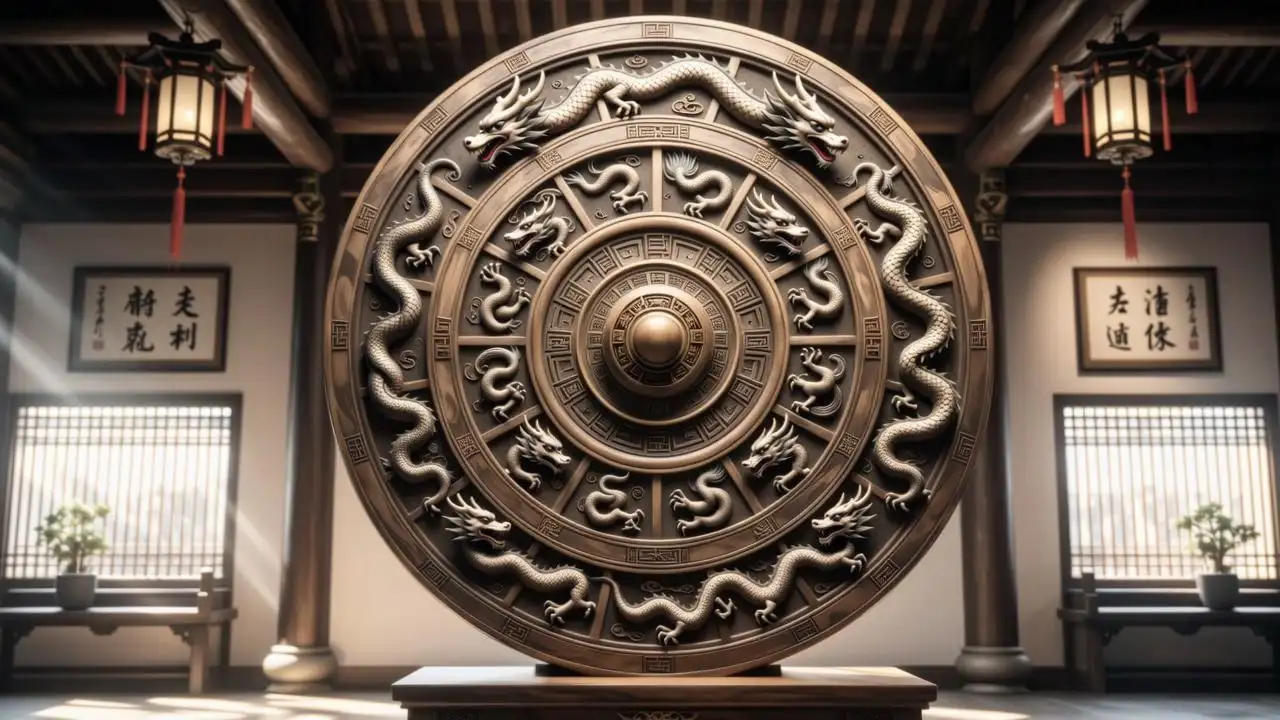
This transition holds particular significance because 2025 ushers in not just the Snake, but specifically the **Wood Snake**, combining the intuitive nature of the Snake with the growth-oriented energy of the Wood element. The interplay between animal signs and elemental forces (Wood, Fire, Earth, Metal, Water) adds depth to predictions, allowing for more nuanced interpretations than a simple animal label might suggest. Understanding the full scope of the Chinese zodiac 2025 requires examining its historical foundations, structural mechanics, and practical applications in modern life.
The Chinese zodiac operates on a 12-animal cycle, with each year represented by one of twelve animals in a fixed order. This cyclical system is tied to the **lunar calendar**, meaning that the start of the zodiac year does not align exactly with January 1 on the Gregorian calendar. Instead, it begins on the first day of the Chinese New Year, typically falling between late January and mid-February. The cultural roots of this system trace back over 2,000 years to Han Dynasty China, where astrology was used to guide agricultural planning, imperial decisions, and personal affairs.
Beyond mere symbolism, the Chinese zodiac reflects a holistic worldview integrating astronomy, philosophy, and cosmology. It is part of a larger metaphysical framework that includes the Five Elements and Yin-Yang duality, both essential for accurate interpretation. The year 2025 stands out because it represents a shift from the outgoing Year of the Dragon (2024) to the introspective Year of the Snake. In Chinese tradition, the Snake is seen as a symbol of intelligence, mystery, and renewal—qualities expected to shape global and personal themes throughout 2025.
The Chinese zodiac 2025 officially begins on **January 29, 2025**, and ends on **February 16, 2026**, following the lunar calendar. This period will be governed by the **Snake**, the sixth animal in the zodiac cycle, and further defined by the **Wood element**, one of the five fundamental elements in traditional Chinese philosophy. Unlike the fiery intensity of the Fire Snake or the rigidity of the Metal Snake, the Wood Snake embodies flexibility, growth, and diplomacy. According to the China Meteorological Administration’s cultural division, which monitors traditional festival dates and astrological transitions, the alignment of the Wood element with the Snake suggests a year conducive to long-term planning, environmental awareness, and intellectual pursuits.
Individuals born under the Snake sign are traditionally described as perceptive, calm, and resourceful. They often excel in roles requiring strategic thinking and emotional intelligence. In 2025, these traits are expected to be amplified across society, encouraging people to rely less on impulsive action and more on careful analysis. The Wood element enhances this tendency by promoting compassion, creativity, and sustainability. For example, industries related to education, green technology, and mental health services may see increased momentum during the chinese zodiac 2025.
The structure of the Chinese zodiac system is both mythological and astronomical. One popular origin story is the "Great Race" legend, in which the Jade Emperor invited all animals to a celestial race, with the first twelve becoming zodiac signs in the order they finished. The Rat won through cleverness, while the Snake emerged sixth, using stealth and timing. Though mythical, this tale illustrates core values such as wit, perseverance, and strategy—qualities still associated with the respective animals today.
From a technical standpoint, the Chinese zodiac combines three components: the 12-animal cycle, the Five Elements (each recurring every two years within a 10-year elemental cycle), and the Yin-Yang polarity (alternating annually). Together, these form a 60-year Grand Cycle, ensuring no two consecutive years share the same energetic signature. For instance, the previous Wood Snake year was 1965; the next will be 2085. This intricate system allows for highly personalized readings based on birth year, month, day, and even hour—a practice known as *Ba Zi* or Four Pillars of Destiny.
Unlike Western astrology, which uses solar positioning, the Chinese zodiac relies on lunar-solar calculations. The Chinese lunisolar calendar accounts for both moon phases and the solar year, adding leap months when necessary to maintain seasonal alignment. This ensures that festivals like Lunar New Year—and thus zodiac transitions—remain consistent with natural cycles.
Each animal sign will experience unique influences under the chinese zodiac 2025. These predictions are derived from classical texts such as the *I Ching* and contemporary analyses by institutions like the Hong Kong Astrology Association:
These forecasts are not deterministic but serve as reflective tools to guide decision-making. For example, a 2023 survey by the University of California, Berkeley’s East Asian Studies Center found that 42% of respondents who consulted their zodiac prediction reported making more deliberate choices about job changes or travel plans.
The Chinese zodiac remains culturally contextualized in many aspects of daily life across China, Taiwan, Singapore, and among overseas communities. Parents often consider zodiac compatibility when naming children or arranging marriages. Some couples even time pregnancies to align with auspicious animal years—such as the Dragon, believed to bring prosperity. During Lunar New Year celebrations, zodiac-themed decorations, parades, and media content dominate public spaces, reinforcing cultural identity.
Globally, the Chinese zodiac has gained popularity beyond ethnic Chinese populations. Major brands like Apple, Starbucks, and Louis Vuitton release limited-edition products for each zodiac year, recognizing its marketing power. In Western countries, apps like “Daily Horoscope – Chinese Zodiac” have surpassed 10 million downloads on Google Play, indicating strong user engagement. While some adopt it playfully, others study it seriously as a complementary self-reflection tool.
As the world prepares for the chinese zodiac 2025, it's important to approach these insights with balance. While rooted in tradition, the zodiac should not replace personal agency or professional advice. Instead, it offers a lens for reflection—helping individuals assess their goals, relationships, and challenges in a broader context. Whether you're a pragmatic Ox or an ambitious Dragon, consider how the themes of the Wood Snake year—patience, growth, and strategy—might apply to your life.
Practical steps include reviewing your personal zodiac forecast, setting intentions aligned with your sign’s strengths, and remaining open to change. For instance, if you’re a Tiger facing cautious advice, schedule important decisions after thoughtful deliberation. If you’re a Snake entering your peak year, embrace leadership opportunities with confidence. Ultimately, the value of the Chinese zodiac lies not in predicting fate, but in fostering mindfulness and cultural appreciation.
【Disclaimer】Content related to the Chinese zodiac and zodiac-based predictions in this article is provided for informational and entertainment purposes only. It does not constitute professional advice in fields such as finance, health, or psychology. Readers are encouraged to make decisions based on personal circumstances and, when necessary, consult qualified experts. The author and publisher assume no liability for actions taken based on the information presented herein.
Jonathan Reed
|
2025.12.22
