

 Feed back
 Privacy Policy
Astrology has been used for centuries as a tool to understand human behavior, life patterns, and even future possibilities. At the heart of this ancient practice is your astrology chart—a personalized map of the sky at the exact moment you were born. This snapshot captures the positions of the planets, stars, and zodiac signs, offering deep insights into your personality, strengths, challenges, and potential life path. Many people wonder: what does my astrology chart say about my future? While it doesn’t predict specific events like a crystal ball, your birth chart reveals energetic tendencies and recurring themes that can help guide decision-making and self-awareness.
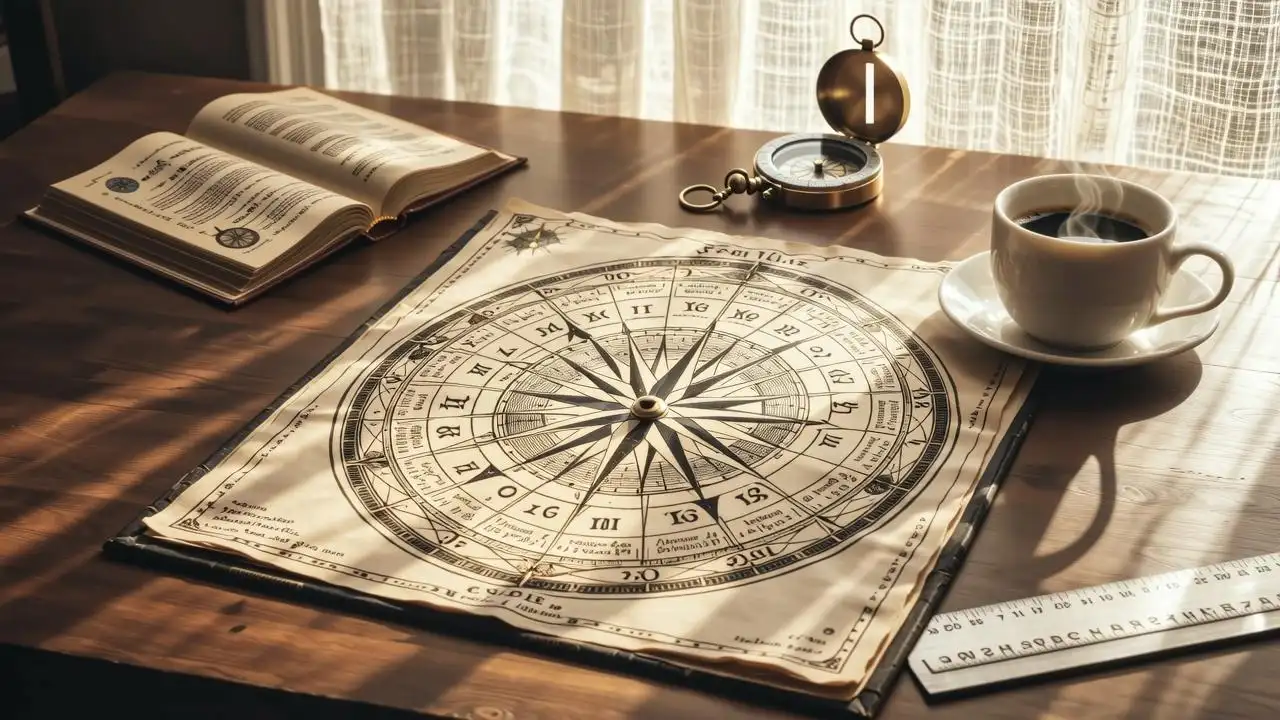
Your astrology chart is more than just your sun sign (like being a Leo or Virgo). It’s a complex diagram incorporating multiple layers—including your Moon sign (emotions), Rising sign (how others perceive you), planetary placements, and the 12 astrological houses. Together, these elements form a unique blueprint that reflects who you are at your core. Modern tools such as a birth chart calculator make it easier than ever to generate this chart accurately and quickly, even if you’re completely new to astrology.
To begin your journey, you’ll need three essential pieces of information: your birth date, time, and location. The date sets the general planetary positions, but the exact time of birth is crucial for determining your Ascendant (or Rising sign) and house placements. Even a difference of 15–20 minutes can shift your Rising sign, which changes how your chart is interpreted. As for location, cities have slightly different longitudes and latitudes, affecting the precise angles in your chart.
Once you’ve gathered this data, use a reliable free astrology chart calculator online. Websites like Astrodienst (astro.com), Cafe Astrology, and Keen offer accurate, no-cost tools powered by the Swiss Ephemeris—a gold standard in astronomical calculations. Simply enter your birth details, select your preferred chart style (such as Placidus or Whole Sign houses), and click “Calculate.” Within seconds, you’ll receive a detailed wheel-style diagram of your natal chart.
When using any birth chart calculator, ensure the site uses secure connections (look for HTTPS) and doesn’t require unnecessary personal data beyond what’s needed for calculation. Avoid platforms asking for payment upfront before showing basic chart details—reputable services provide foundational readings for free.
Now that you’ve generated your chart, the next step is learning how to read an astrology birth chart. Start by identifying the key components:
The circular chart is divided into 12 sections called houses, each governing different areas of life—from identity (1st House) to career (10th House) to spirituality (12th House). Planets located in certain houses indicate where their energy is most active. For example, Venus in the 7th House often points to relationship-focused values.
Also pay attention to aspects—geometric angles between planets shown by lines on the chart. Conjunctions (0°), trines (120°), and sextiles (60°) are generally harmonious, while squares (90°) and oppositions (180°) suggest tension and growth opportunities. Understanding these dynamics helps uncover deeper motivations and behavioral patterns tied to your astrology chart.
While your natal chart is fixed, the cosmos are always moving. Astrologers use techniques like transits and progressions to forecast trends and timing in your life. Transits refer to current planetary positions in relation to your birth chart. For example, when Jupiter transits your 10th House of Career, it may signal a period of professional growth or recognition.
Progressions, especially secondary progressions (where one day after birth equals one year of life), show internal evolution over time. A progressed Sun entering Leo might mark a phase of increased confidence and self-expression around age 28–30.
So, what does my astrology chart say about my future? It offers insight into cyclical energies—not fate, but opportunity. According to a 2022 survey by the National Science Foundation, nearly 34% of Americans consider astrology “scientific” or “somewhat scientific,” reflecting growing public interest in predictive tools. However, responsible astrologers emphasize that free will plays a major role. Your chart highlights potentials, not predetermined outcomes.
Keep expectations realistic. Astrology won’t tell you whether you’ll get a promotion next Tuesday—but it can reveal whether the coming months support bold action or cautious planning based on planetary influences.
If you want ongoing access to your chart and real-time updates, consider downloading the best astrology chart app for beginners. Look for apps with the following features:
Popular options include Co-Star (known for its modern design and AI-driven interpretations), TimePassages (excellent for learning aspects and transits), and Sanctuary (ideal for mindfulness-integrated readings). Most offer free versions with optional premium upgrades. Always check user reviews on trusted platforms like Google Play or the Apple App Store before downloading.
Many of these apps also function as a mobile free astrology chart calculator online, allowing you to generate charts on the go. Just be sure they allow manual input of birth time and location for full accuracy.
Creating a consistent practice with your astrology chart empowers you to navigate life with greater awareness. Start by reviewing your chart weekly—note upcoming transits and reflect on how they align with your experiences. Journaling about emotional shifts linked to Moon phases or Mercury retrograde periods can deepen your understanding.
To continue growing, explore trusted resources such as Steven Forrest’s *The Inner Sky* for philosophical depth, or Daniel Noel’s *The Soul’s Code* for psychological insights. Online courses from the International Academy of Astrology or the Mountain Astrologer magazine offer structured learning paths for those serious about mastery.
As you become more fluent in reading your chart, you’ll find it less mysterious and more practical—a daily compass rather than a mystical oracle. Whether you're exploring how to read an astrology birth chart or seeking guidance through a powerful birth chart calculator, remember that the goal is self-knowledge, not dependency. With patience and practice, your astrology chart becomes a lifelong companion in personal development.
Disclaimer: The information provided regarding is for general informational purposes only and does not constitute professional advice. Regulations and insurance products are subject to change. Consult licensed insurance professionals for guidance specific to your situation.
Liam Carter
|
2025.12.22
