

 Feed back
 Privacy Policy
inkcoreai.com
Astrology has been a subject of human curiosity for millennia, with roots tracing back to ancient Babylonian, Egyptian, and Greek civilizations. In the modern context, astrology refers to the study of celestial bodies’ positions and movements—particularly the Sun, Moon, planets, and stars—and their perceived influence on human affairs and natural phenomena. Astrology predictions, therefore, are forecasts derived from these celestial patterns, often used to provide insight into personality traits, emotional cycles, and potential life events. While not recognized as a scientific discipline, astrology continues to hold cultural and psychological significance for millions worldwide.
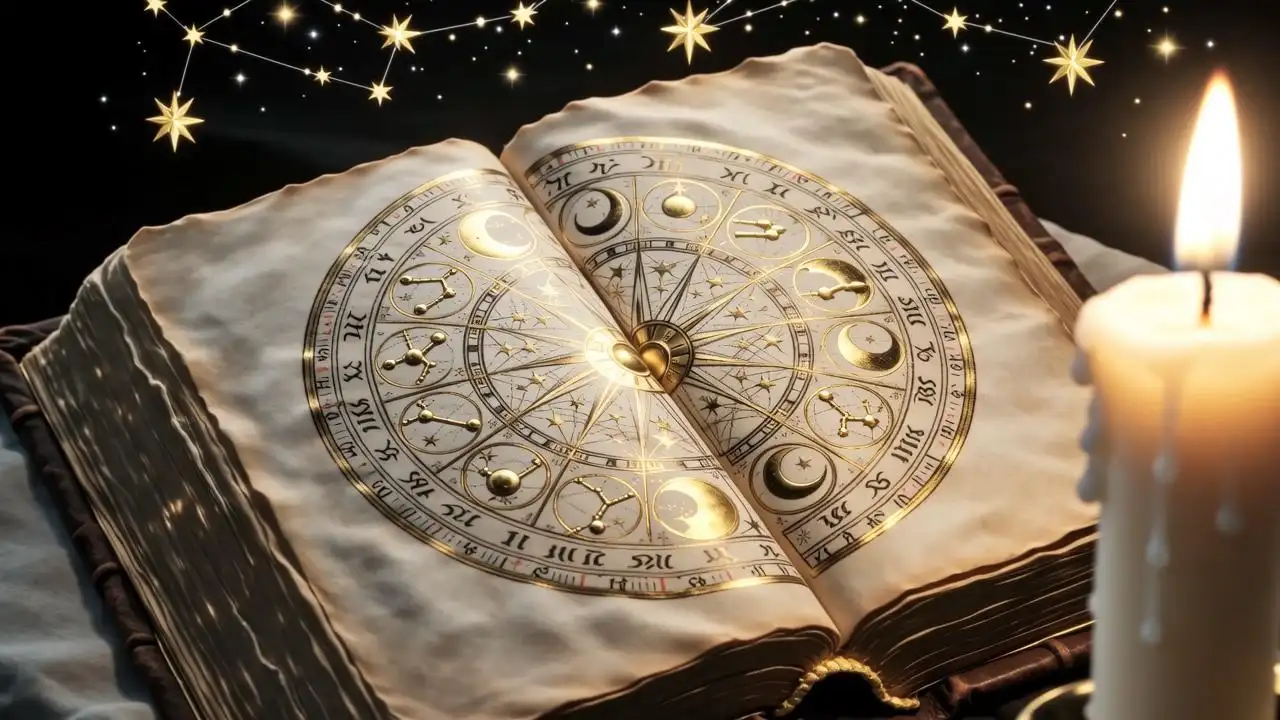
The foundation of astrology predictions lies in the belief that cosmic rhythms correlate with earthly experiences. For example, the position of the Moon is commonly associated with emotional states, while planetary transits are thought to influence decision-making and interpersonal dynamics. These correlations are not presented as deterministic outcomes but rather as symbolic frameworks for reflection. Modern practitioners and enthusiasts use astrology as a tool for self-awareness, timing personal decisions, and understanding interpersonal relationships. However, it is essential to approach these insights with an objective mindset, recognizing that they serve as guides rather than absolute truths.
Readers can benefit from astrology predictions by using them reflectively. Instead of viewing horoscopes as fixed destinies, individuals may consider them prompts for introspection. For instance, if a prediction suggests a challenging communication period due to Mercury retrograde, one might choose to double-check emails or delay important conversations—not out of fear, but as a mindful practice. This reflective use aligns with a balanced, thoughtful engagement with astrological content.
At the core of astrology are three fundamental components: the zodiac signs, the planets, and the astrological houses. Together, they form a symbolic system used to interpret celestial influences on individual lives.
The **zodiac** consists of 12 signs—Aries, Taurus, Gemini, Cancer, Leo, Virgo, Libra, Scorpio, Sagittarius, Capricorn, Aquarius, and Pisces—each representing distinct personality archetypes based on the Sun’s annual path through the sky. These signs are divided into four elements (fire, earth, air, water) and three modalities (cardinal, fixed, mutable), offering a nuanced framework for understanding temperament and behavioral tendencies. For example, fire signs (Aries, Leo, Sagittarius) are often described as energetic and passionate, while earth signs (Taurus, Virgo, Capricorn) are seen as practical and grounded.
Planetary movements play a crucial role in shaping astrological interpretations. Each planet governs specific aspects of human experience. The Sun represents identity and vitality; the Moon rules emotions and subconscious patterns; Mercury governs communication and cognition; Venus influences love, values, and aesthetics; Mars controls drive, aggression, and physical energy. When these planets transit through different zodiac signs or form geometric angles (called aspects) with one another, astrologers analyze the resulting configurations to generate predictions.
The third pillar of astrological structure is the **12 houses**, which correspond to different life domains such as career (10th house), relationships (7th house), and personal resources (2nd house). A birth chart—or natal chart—maps the exact positions of the planets at the moment of an individual’s birth, showing which signs and houses they occupy. This personalized snapshot forms the basis for detailed astrological analysis and long-term forecasting.
Creating accurate astrology predictions involves technical tools and astronomical data. One of the primary resources used by astrologers is the **ephemeris**, a table listing the precise daily positions of celestial bodies. By consulting ephemerides, practitioners can determine when planets enter new signs, go into retrograde motion, or form significant aspects with other planets.
The **birth chart** serves as the foundational map for personalized readings. Once established, astrologers overlay current planetary movements—known as **transits**—onto this chart to assess how ongoing cosmic activity interacts with an individual’s natal configuration. For example, a transit of Jupiter over one’s natal Venus may be interpreted as a favorable period for love or financial gain, based on traditional astrological symbolism.
Other key concepts include **retrogrades**, where planets appear to move backward in the sky due to orbital mechanics, and **aspects**, which are angular relationships between planets (e.g., conjunctions, squares, trines). These factors contribute to the complexity and specificity of forecasts. Transits involving slower-moving outer planets like Saturn or Pluto tend to signify longer-term themes, while faster inner planets like Mercury produce shorter, more immediate effects.
Predictions vary in scope and frequency. Daily astrology forecasts typically focus on mood, communication, and minor opportunities or challenges. Weekly horoscopes offer broader trends, often centered on relationship dynamics or work-related developments. Yearly predictions, such as those found in astrological almanacs, provide thematic overviews based on major planetary cycles, including the well-known Saturn Return occurring around ages 27–30, 58–60, and beyond.
One of the most important skills in engaging with astrology predictions is **objective interpretation**. It is critical to distinguish between generalized horoscopes—often written for broad audiences based solely on Sun signs—and personalized readings that incorporate full birth charts. While daily horoscopes in magazines or apps may offer entertaining or relatable insights, they lack the specificity of a detailed astrological analysis.
A fact-based approach encourages readers to apply **critical thinking** when encountering astrological content. For example, confirmation bias may lead individuals to remember accurate-seeming predictions while overlooking incorrect ones. To mitigate this, users can keep a journal comparing forecasts with actual experiences over time, assessing patterns without emotional attachment.
From a scientific perspective, astrology does not meet empirical standards for causality or falsifiability. Organizations such as the American Astronomical Society have stated that there is no evidence supporting astrological claims about human behavior being influenced by planetary positions. However, this does not negate its cultural or psychological value. Many people find meaning in astrology as a narrative system—a way to contextualize life transitions, much like mythology or literature. Maintaining a balanced view means respecting both its symbolic utility and its limitations within a scientific framework.
Despite its metaphysical nature, many individuals integrate astrology predictions into everyday routines in practical ways. One common application is using **moon phases** for emotional planning. The lunar cycle—lasting approximately 29.5 days—is often associated with internal rhythms. For instance, the New Moon is traditionally linked with beginnings and intention-setting, while the Full Moon correlates with culmination and release. Some people schedule journaling, meditation, or creative projects around these phases to align with perceived energetic shifts.
Another practical strategy involves **timing decisions** using favorable planetary alignments. Although not scientifically validated, some professionals consult astrological calendars before launching businesses, signing contracts, or scheduling interviews. For example, initiating a project during a waxing Moon (from New to Full) is considered auspicious in many traditions, symbolizing growth and increasing momentum.
Perhaps the most beneficial use of astrology lies in promoting **self-reflection**. Regularly reviewing weekly or monthly forecasts can prompt individuals to consider their motivations, challenges, and interpersonal dynamics. When used mindfully, astrology becomes less about prediction and more about introspection—a mirror for personal development rather than a roadmap for fate.

To engage meaningfully with astrology and its predictive models, a **structured approach** is essential. This includes understanding the foundational elements—such as zodiac signs, planetary movements, and houses—recognizing the methodology behind astrology predictions, and applying insights with clarity and discernment. Rather than relying on astrology as a substitute for decision-making, readers are encouraged to treat it as one of many tools for self-exploration.
A logical, clear-minded exploration of zodiac forecasts allows individuals to appreciate their symbolic richness without compromising rational judgment. Those seeking deeper knowledge may explore reputable sources such as the Royal Astrological Society, the International Society for Astrological Research (ISAR), or academic publications on the history and philosophy of astrology. These organizations emphasize education, ethical practice, and methodological transparency.
In summary, whether approached culturally, psychologically, or spiritually, astrology remains a widely practiced tradition. Its enduring appeal lies not in its ability to predict the future with certainty, but in its capacity to inspire reflection, foster awareness, and connect individuals to larger cyclical patterns—both celestial and personal.
【Disclaimer】The astrology-related content in this article is provided for informational and entertainment purposes only and should not be construed as professional advice in any field. Readers are encouraged to make decisions based on their own judgment and, when necessary, consult qualified experts. The author and publisher assume no liability for actions taken based on the information presented herein.
Emma Lawrence
|
2025.12.15
