

 Feed back
 Privacy Policy
inkcoreai.com
Astrology is a symbolic system that interprets the positions and movements of celestial bodies—such as the Sun, Moon, planets, and stars—as meaningful reflections of human experience and personality traits. Rooted in ancient traditions, astrology has evolved over millennia into a widely practiced tool for self-understanding and personal insight. In recent years, interest in astrology today has surged, particularly among younger generations navigating complex social landscapes, economic uncertainty, and evolving identities. This renewed popularity does not stem from blind belief but often from a desire for frameworks that offer emotional clarity and introspective guidance. This guide takes an objective, fact-based approach to exploring astrology—not as a definitive science, but as a cultural and psychological phenomenon with historical depth and contemporary relevance.
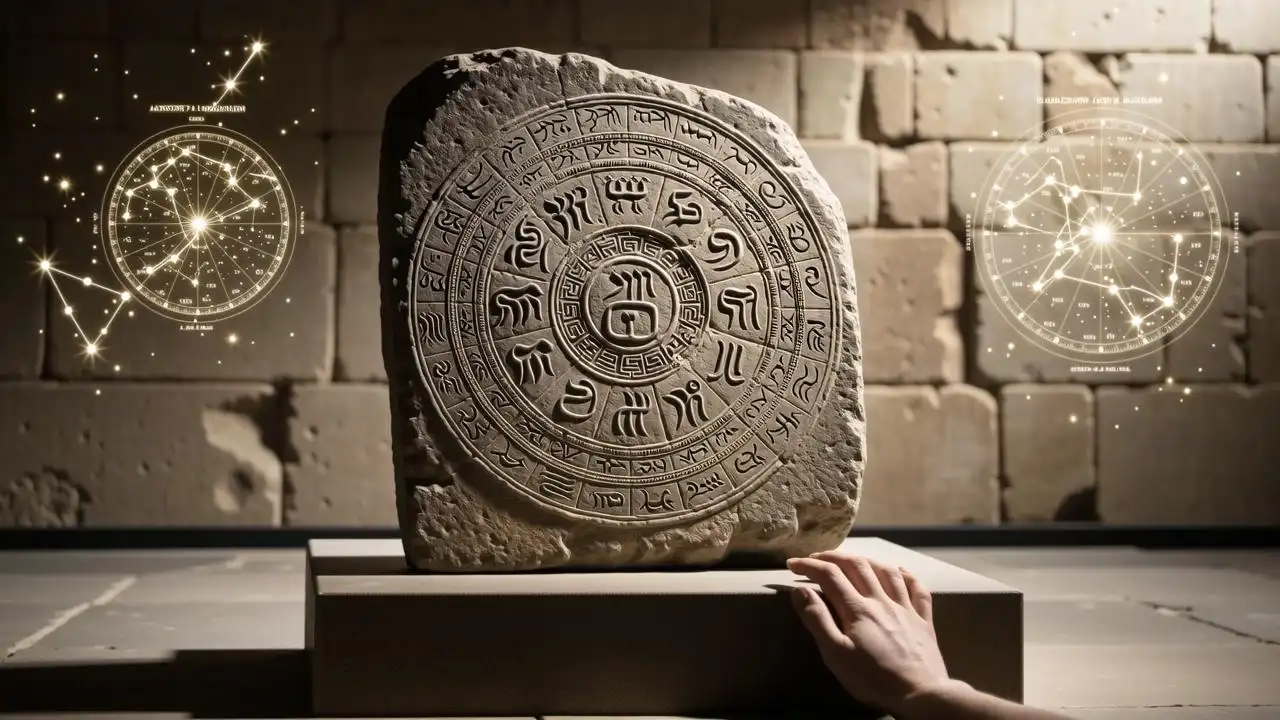
At its core, astrology functions as a symbolic language connecting celestial patterns to earthly life. Unlike astronomy—the scientific study of celestial objects—astrology interprets planetary alignments at the time of a person’s birth to suggest tendencies in temperament, behavior, and life events. While modern science does not validate astrological claims as predictive mechanisms, many individuals find value in its narrative structure. The growing appeal of astrology today can be attributed to broader societal shifts: rising mental health awareness, digital connectivity, and a search for meaning amid rapid change. According to a 2023 Pew Research Center report, nearly 30% of U.S. adults aged 18–29 say they “believe in” astrology, with another 45% engaging with it occasionally for entertainment or reflection. These figures underscore astrology's role not as a replacement for rational decision-making, but as a complementary lens for self-exploration.
The origins of historical astrology trace back over 4,000 years to ancient Mesopotamia, where Babylonian priests observed celestial cycles to forecast agricultural outcomes and political events. By aligning lunar phases and planetary motions with seasonal changes, early civilizations developed rudimentary zodiac systems. From Mesopotamia, astrological knowledge spread to Egypt and later to Greece during the Hellenistic period (circa 300 BCE–300 CE), where it was refined with mathematical precision and philosophical depth. Greek scholars such as Ptolemy compiled extensive works like the *Tetrabiblos*, which systematized astrological interpretation and influenced both Islamic and European thought through the Middle Ages.
In these early eras, there was little distinction between astronomers and astrologers; both were scholars studying the heavens. Figures like Tycho Brahe and Johannes Kepler—key contributors to modern astronomy—also cast horoscopes, reflecting the integrated nature of celestial inquiry before the Scientific Revolution. Over time, however, the Enlightenment prioritized empirical evidence, pushing astrology to the margins of academia. Yet rather than disappearing, astrology transformed—from a tool used by monarchs and physicians to predict events, it gradually became a means of psychological insight, especially in the 20th century under the influence of Carl Jung’s theories on archetypes and synchronicity.
To understand how astrology operates today, one must examine its foundational components: zodiac signs, planetary positions, and houses. The zodiac is divided into twelve 30-degree segments along the ecliptic—the apparent path of the Sun across the sky—each associated with a sign (e.g., Aries, Taurus, Gemini) believed to influence personality based on the Sun’s position at birth. However, a full astrological profile goes beyond the Sun sign. It includes the Moon sign (emotional nature), rising sign or Ascendant (outer persona), and the placements of other planets such as Mercury (communication), Venus (love), and Mars (drive).
These elements are mapped onto a birth chart—also known as a natal chart—a circular diagram representing the exact configuration of celestial bodies at the moment and location of an individual’s birth. Generated using precise astronomical data, this chart divides the sky into twelve “houses,” each governing different areas of life (e.g., career, relationships, health). For example, if someone has their Sun in Leo located in the 10th house, they may exhibit strong leadership qualities and a public-oriented career path. Modern software tools, such as those provided by Astro.com or TimePassages, allow users to generate accurate charts within seconds, democratizing access to personalized insights.
A common misconception about astrology is that it promotes determinism—that one’s fate is fixed by the stars. In reality, most contemporary practitioners emphasize tendency over destiny. As noted by the American Federation of Astrologers, "Astrology shows potentials, not certainties." Just as genetic predispositions do not guarantee specific outcomes, astrological indicators suggest inclinations that interact with environment, choice, and growth.
The resurgence of astrology today is closely tied to digital culture. Social media platforms like Instagram, TikTok, and YouTube have become hubs for astrological content, with influencers breaking down weekly forecasts, moon phases, and compatibility readings. Hashtags such as #MoonRitual and #MercuryRetrograde regularly trend, amassing billions of views. Apps like Co-Star, The Pattern, and Sanctuary deliver personalized daily horoscope updates and real-time transits, making modern astrology accessible to millions worldwide. Co-Star alone reported over 10 million downloads by 2023, citing user demand for emotionally resonant, visually engaging interpretations.
This accessibility has broadened astrology’s demographic reach, particularly among Gen Z and millennials who value individuality and introspection. However, its popularity also invites scrutiny. The scientific community largely regards astrology as pseudoscientific due to a lack of reproducible evidence supporting its predictive power. A landmark study published in *Nature* (1985) tested whether professional astrologers could match natal charts to personality profiles more accurately than chance—and found no statistically significant correlation. Despite this, many users engage with astrology today not as a literal truth system, but as a reflective practice akin to journaling or therapy.
One of the most valuable uses of astrology today lies in personal development and self-reflection. By examining their birth chart, individuals can gain deeper awareness of their emotional triggers, communication styles, and relational patterns. For instance, someone with multiple planets in water signs (Cancer, Scorpio, Pisces) might recognize a heightened sensitivity to mood and intuition, prompting them to set boundaries or prioritize emotional regulation techniques.
Moreover, astrological compatibility analysis—often compared to models like the Myers-Briggs Type Indicator (MBTI)—can enhance relationship understanding. While MBTI categorizes personality based on cognitive functions, synastry (the comparison of two charts) explores energetic dynamics between partners. Though neither method guarantees relationship success, both offer structured ways to reflect on interpersonal strengths and challenges. Therapists and coaches increasingly integrate symbolic systems like astrology into holistic practices, not as diagnostic tools, but as conversation starters that foster empathy and self-awareness.
It is essential to reiterate: astrology should be used as a reflective tool, not a deterministic guide. When approached with discernment, it can support mindfulness and emotional intelligence—complementing, rather than replacing, evidence-based approaches to mental well-being.
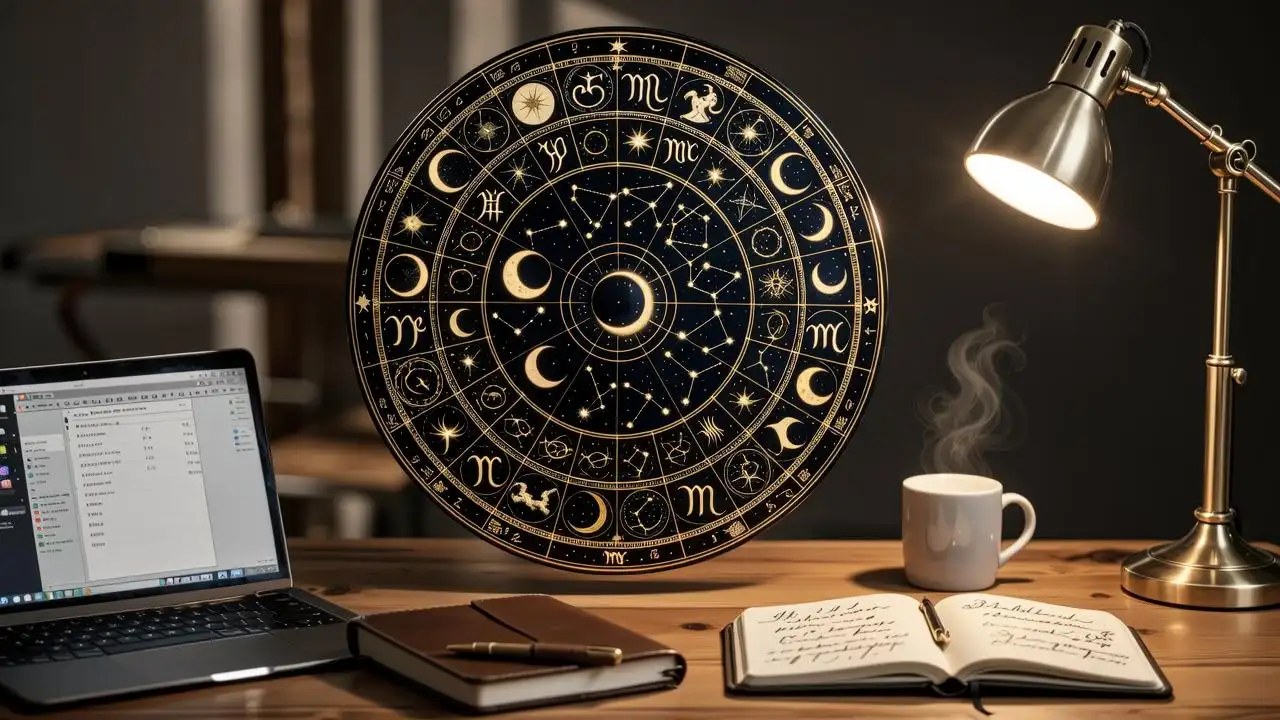
From its roots in historical astrology to its current presence in digital spaces, astrology remains a culturally significant practice that bridges myth, psychology, and personal identity. While it lacks empirical validation as a predictive science, its enduring appeal reflects a deep human need for meaning, connection, and self-understanding. The rise of astrology today illustrates how traditional systems adapt to modern contexts, offering accessible pathways for self-reflection and emotional exploration.
As readers engage with astrology, it is crucial to balance curiosity with critical thinking. Recognizing its symbolic nature allows for informed participation—appreciating its narratives without conflating them with scientific causality. Whether reading a daily horoscope for fun or analyzing a detailed birth chart for insight, the goal should be greater self-awareness, not dependency. By combining open-minded inquiry with rational evaluation, individuals can navigate the world of astrology in a way that enriches their lives while maintaining intellectual integrity.
Disclaimer: The content related to astrology in this article is provided for informational and educational purposes only and should not be considered professional advice in any field, including psychological, medical, or financial. Readers are encouraged to make decisions based on their own judgment and, when necessary, consult qualified professionals. The author and publisher assume no liability for any actions taken based on the information presented herein.
Eleanor Grant
|
2025.12.15
