

 Feed back
 Privacy Policy
inkcoreai.com
Vedic astrology, also known as Jyotish, is a traditional system of astrology rooted in the ancient spiritual and philosophical texts of India. As a branch of the broader field of astrology, it differs significantly from Western approaches by emphasizing a sidereal zodiac and karmic interpretation of celestial patterns. Unlike modern psychological models that focus on personality traits, vedic astrology aims to map an individual’s life path based on planetary positions at birth, offering insights into destiny, challenges, and opportunities. Its foundation lies in the Vedas—particularly the Rigveda and Atharvaveda—which are among the oldest sacred scriptures in human history, dating back over 3,000 years. These texts describe cosmic laws and their influence on earthly existence, forming the basis for astrological calculations used even today.
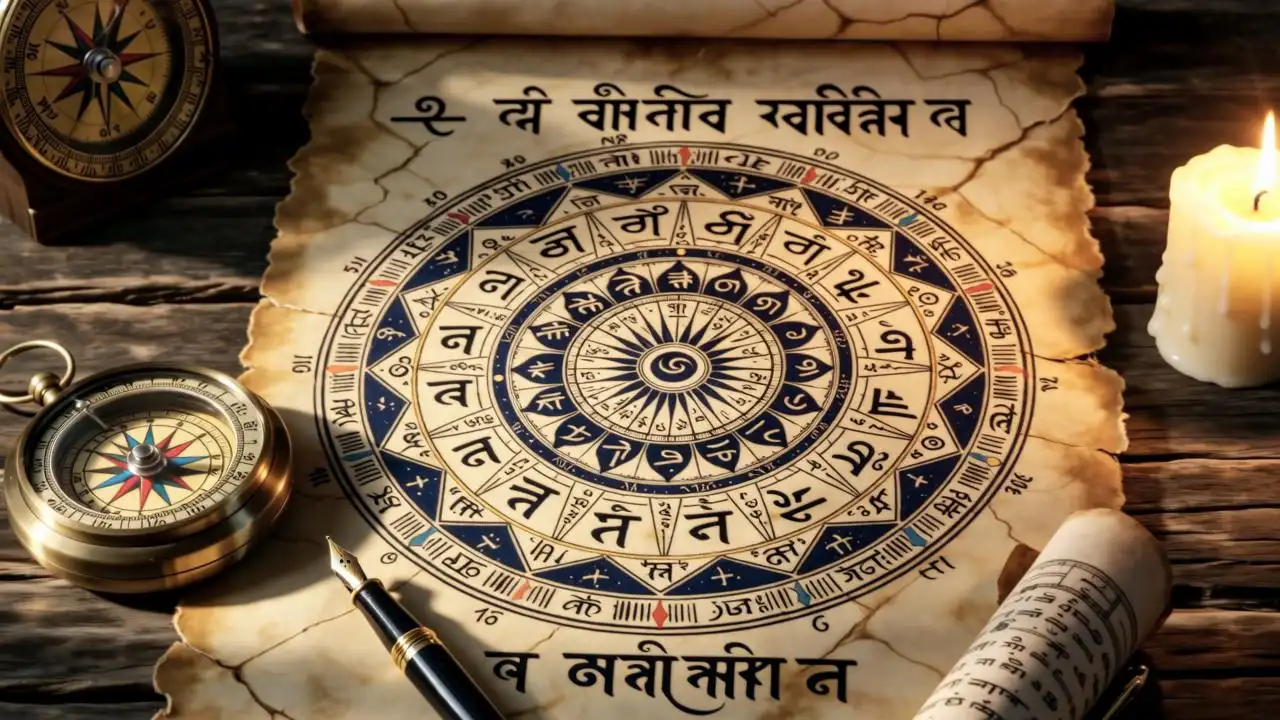
The historical development of vedic astrology is closely tied to Indian astronomy and mathematics. Ancient sages such as Parashara and Varahamihira compiled detailed treatises outlining planetary motion, zodiac divisions, and predictive techniques. The term "Jyotish" itself means "science of light," reflecting its purpose: to illuminate the soul's journey across lifetimes. In contemporary times, many individuals turn to astrology not only for self-understanding but also for guidance in critical life decisions—from career moves to marriage. With rising interest in holistic and spiritually informed frameworks, vedic astrology has gained global recognition as a structured, time-tested method for exploring human potential and karmic patterns.
At the core of vedic astrology is the use of the **sidereal zodiac**, which calculates planetary positions relative to fixed constellations in the sky. This contrasts with the **tropical zodiac** used in Western astrology, which aligns with the Earth's seasons and equinoxes. Due to precession of the equinoxes, these two systems differ by approximately 24 degrees—a value known as the *ayanamsa*. As a result, a person’s sun sign in vedic astrology may differ from their Western zodiac sign, often shifting one sign backward.
The zodiac in vedic astrology is divided into 12 **rashi** (signs), each spanning 30 degrees, just like in Western systems. However, it further refines analysis through 27 **nakshatras**, or lunar mansions—segments of the moon’s monthly path across the sky. Each nakshatra spans about 13°20' and is associated with specific deities, symbols, and behavioral tendencies. For example, Ashwini, the first nakshatra, is linked to healing and swift action, while Revati, the last, symbolizes completion and spiritual closure. These subdivisions allow for highly personalized readings beyond basic sun signs.
Central to this system are the nine **grahas** (planets), including the Sun, Moon, Mars, Mercury, Jupiter, Venus, Saturn, and the shadow planets Rahu (North Lunar Node) and Ketu (South Lunar Node). Each graha governs particular aspects of life and exerts distinct **planetary influences**. For instance, Jupiter represents wisdom and expansion, while Saturn signifies discipline and limitation. Their placement in specific rashis and houses at birth determines strengths, vulnerabilities, and life themes—an essential component of any accurate reading.
A cornerstone of vedic astrology is the **janam kundali**, or natal chart, which serves as a cosmic blueprint of an individual’s life. Constructed using precise birth data—date, time, and location—the chart maps the positions of all nine grahas across twelve houses, each representing different areas of life such as wealth, relationships, health, and spirituality. Accuracy in birth time is crucial; even a 4-minute difference can shift the ascendant (lagna), altering interpretations significantly.
The **ascendant**, or lagna, is the zodiac sign rising on the eastern horizon at the moment of birth and forms the starting point of the chart. It shapes physical appearance, temperament, and overall life orientation. The twelve **bhavas** (houses) radiate clockwise from the ascendant, each governed by a rashi and influenced by specific planets. For example, the 7th house relates to partnerships, while the 10th governs career and public reputation. Analyzing planetary placements within these houses enables astrologers to assess life domains likely to experience growth or challenge.
Equally important are the **dasha systems**, which track planetary periods influencing different phases of life. The most widely used is the **Vimshottari Dasha**, a 120-year cycle distributed among the nine grahas. Each planet rules a major period (e.g., Jupiter: 16 years, Saturn: 19 years), subdivided into sub-periods (antardashas). These cycles help predict timing for events such as job changes, marriages, or health issues. For example, someone entering a Saturn major period might expect increased responsibility or delays, depending on Saturn’s placement in their chart. This temporal framework gives vedic astrology a unique predictive edge compared to other forms of astrology.
One of the most significant distinctions between vedic astrology and Western astrology lies in their zodiac models. While both systems recognize the same 12 signs, vedic astrology uses the sidereal zodiac anchored to actual star positions, whereas Western astrology employs the tropical zodiac aligned with seasonal cycles. Over centuries, the drift caused by axial precession has created a growing gap—currently around 24 degrees—meaning a person born under Leo in Western astrology might be classified as Cancer in vedic astrology.
Beyond technical differences, the philosophical underpinnings diverge markedly. Western astrology tends to emphasize psychological insight, personal growth, and archetypal symbolism, drawing heavily from Jungian theory. In contrast, vedic astrology operates within a framework of **karma** and **dharma**—the belief that current life circumstances are shaped by past actions and that the purpose of life includes fulfilling one’s duty and evolving spiritually. Predictions are not deterministic but rather indicate tendencies shaped by karmic imprints.
Another distinguishing feature is the use of remedial measures. Vedic astrology prescribes specific remedies to mitigate challenging planetary influences. These include wearing gemstones (e.g., ruby for Sun strength), chanting mantras (like the Mahamrityunjaya mantra for protection), performing rituals (yajnas), or observing fasts. Such practices reflect the system’s integration with Ayurveda and Hindu spiritual traditions, making it more than just a predictive tool—it becomes part of a holistic lifestyle practice.
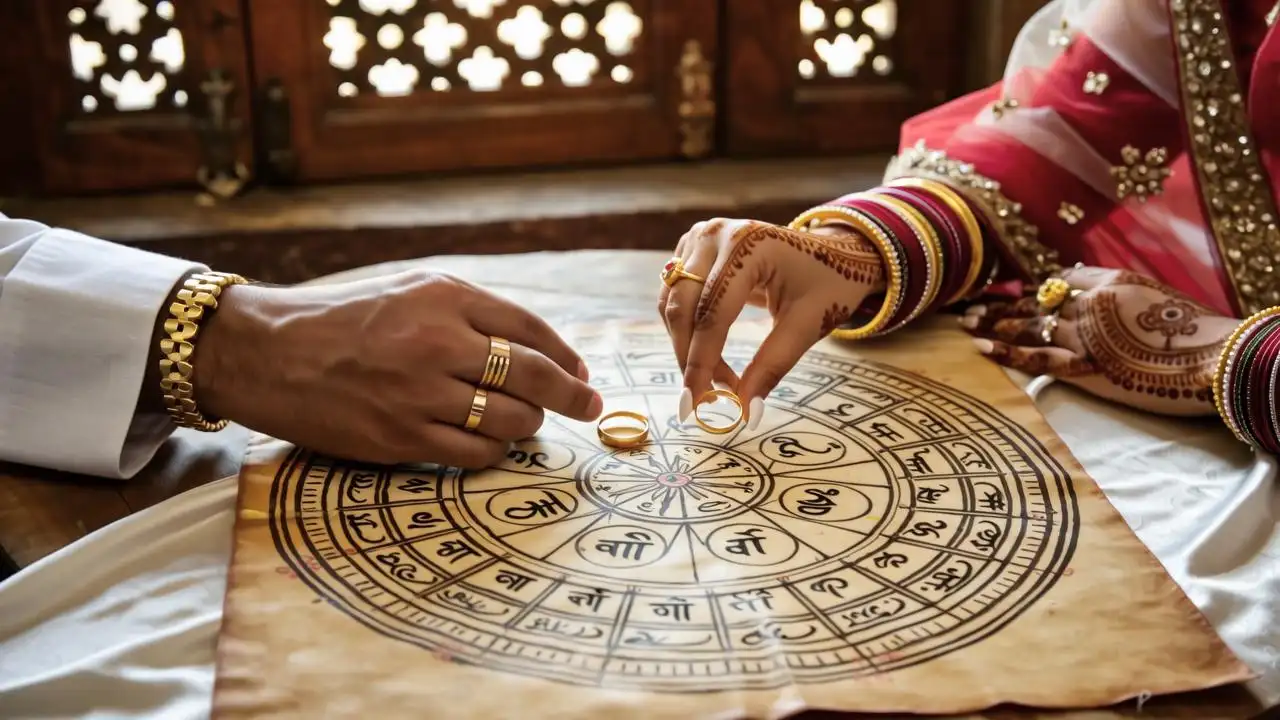
In contemporary society, vedic astrology continues to serve practical purposes across various domains. One prominent application is **kundali matching** for marriage compatibility. Before weddings, especially in South Asian cultures, families often consult astrologers to compare the birth charts of prospective partners. Points are assigned based on factors like moon sign alignment, planetary harmony, and dosha checks (e.g., Mangal Dosha, indicating potential marital discord). A match scoring above 18 out of 36 points is generally considered favorable, though exceptions exist based on mitigating factors.
Career guidance is another valuable use of vedic astrology. By analyzing the 10th house (career), 2nd house (income), and relevant dashas, practitioners can suggest suitable professions or optimal times for job transitions. Additionally, **muhurta**, or electional astrology, helps select auspicious moments for important events such as business launches, property purchases, or travel. For example, starting a venture during a strong Jupiter-Venus antardasha could enhance prosperity.
Health predictions via **Arishta Bhang** analysis identify periods prone to illness based on planetary afflictions, particularly involving the 6th, 8th, and 12th houses. While not a substitute for medical diagnosis, this aspect of astrology supports preventive care by highlighting vulnerable phases when extra attention to well-being is advised.
Vedic astrology offers a comprehensive, fact-based system for understanding life patterns through celestial observation. Its reliance on precise astronomical calculations, combined with deep philosophical roots in karma and dharma, sets it apart from many modern interpretive systems. Unlike generalized horoscopes, it provides individualized insights grounded in mathematical rigor and centuries of observational tradition.
As a tool for **self-awareness**, vedic astrology empowers individuals to make informed choices about relationships, careers, and personal development. It encourages introspection and long-term planning by revealing cyclical trends and karmic lessons. However, due to its complexity, accurate interpretation requires training and experience. Readers are encouraged to seek consultations with certified practitioners who adhere to authentic Jyotish principles rather than relying solely on automated software or generic forecasts.
Ultimately, whether approached from a spiritual, cultural, or analytical perspective, vedic astrology remains a relevant and insightful discipline in today’s world. Its enduring legacy lies in its ability to bridge cosmic order with human experience, offering clarity amidst life’s uncertainties.
【Disclaimer】 The content related to astrology discussed in this article is intended for informational and educational purposes only. It does not constitute professional advice in any legal, medical, financial, or psychological domain. Readers are advised to exercise personal judgment and consult qualified experts before making decisions based on astrological interpretations. The author and publisher disclaim any liability for actions taken or omitted as a result of information presented herein.
Rohan Patel
|
2025.12.15
