

 Feed back
 Privacy Policy
inkcoreai.com
Astrology is a symbolic system that interprets the positions and movements of celestial bodies—such as the Sun, Moon, and planets—as having meaningful correlations with human affairs and natural phenomena. While not recognized as a scientific discipline, astrology has persisted for millennia across diverse cultures as a tool for self-reflection, interpersonal understanding, and cultural expression. Central to this practice are the **astrology signs**, also known as zodiac signs, which divide the sky into twelve 30-degree sectors along the ecliptic—the apparent path of the Sun across the celestial sphere over the course of a year. These signs serve as archetypal frameworks through which individuals interpret personality traits, emotional patterns, and life events.
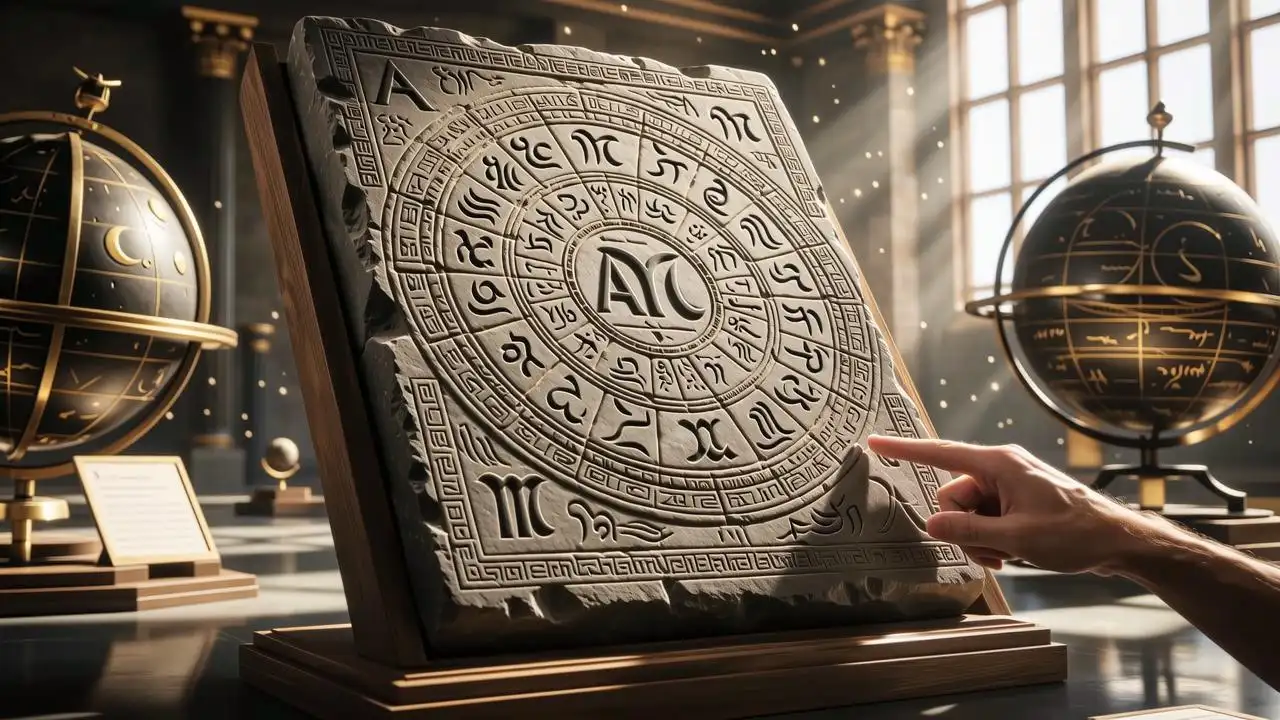
The role of **astrology signs** extends beyond mere entertainment; they have been embedded in religious rituals, agricultural planning, and personal decision-making in societies ranging from ancient Babylon to modern-day Japan. Today, zodiac-based horoscopes appear in newspapers, mobile apps, and social media platforms, reaching millions daily. According to a 2023 Pew Research Center survey, approximately 29% of U.S. adults say they “believe in astrology at least somewhat,” with higher interest among younger demographics—particularly Gen Z and Millennials. This enduring appeal reflects a widespread desire for frameworks that help make sense of identity and relationships, even if approached with varying degrees of seriousness.
The historical development of **astrology** can be traced back over 4,000 years to ancient Mesopotamia, where early astronomers observed celestial cycles and associated them with divine will. The Babylonians formalized the zodiac around the 5th century BCE, identifying twelve constellations aligned with the Sun’s annual journey. This system was later adopted and refined by Hellenistic scholars in Greece, who integrated it with philosophical ideas about fate, free will, and the nature of the soul. Around the same time, parallel traditions emerged in India, forming Vedic astrology (Jyotish), which remains influential in South Asian cultures today.
At its core, Western astrology relies on several key components: the **ecliptic**, divided into twelve equal segments corresponding to the zodiac signs; planetary positions at specific times; and the **twelve-house system**, which maps areas of life experience such as career, relationships, and health. Each house corresponds to a segment of the sky relative to an observer's location and birth time, adding nuance beyond sun sign alone. For example, the first house governs self-image and physical appearance, while the seventh relates to partnerships and marriage.
An essential distinction exists between **astronomy**—a natural science grounded in empirical observation and physics—and **astrology**, which operates as a symbolic or metaphysical framework. Modern astronomy, supported by institutions like NASA and the International Astronomical Union, does not validate astrological claims. However, understanding **astrology** from a **fact-based understanding** perspective involves recognizing its cultural significance rather than treating it as a predictive science. It functions more like mythology or psychology: offering narratives that resonate emotionally and symbolically, even if not causally linked to celestial mechanics.
The twelve **zodiac signs** are grouped into four elements—fire, earth, air, and water—each representing fundamental modes of being. Fire signs (Aries, Leo, Sagittarius) are often described as energetic, passionate, and action-oriented. Earth signs (Taurus, Virgo, Capricorn) tend to be practical, grounded, and detail-focused. Air signs (Gemini, Libra, Aquarius) are associated with intellect, communication, and social connection. Water signs (Cancer, Scorpio, Pisces) are typically seen as intuitive, emotional, and empathetic.
Each sign spans a roughly one-month period based on the Sun’s position:
These profiles offer generalized insights into behavioral tendencies and interpersonal dynamics. While no single sign defines a person entirely, many find value in using these archetypes to reflect on strengths, challenges, and relational patterns. Psychologist Carl Jung explored astrology as a symbolic language reflecting the collective unconscious, suggesting that its power lies not in prediction but in providing metaphors for inner experience.
To understand your full astrological profile, one must go beyond the widely known **sun sign**, which represents core identity and ego. A complete analysis requires examining the **birth chart**—a snapshot of the sky at the exact moment and location of birth. Three primary components shape personal interpretation:
The sun sign reflects your fundamental character, life purpose, and sense of self. Most horoscopes published in media are based solely on sun signs due to their accessibility. However, two other critical markers add depth: the **moon sign**, governing emotions, instincts, and subconscious needs, and the **rising sign** (or ascendant), which influences outward demeanor, first impressions, and physical presence.
For instance, someone with a Leo sun may radiate confidence and creativity, but if their moon is in sensitive Cancer, they might also possess deep emotional vulnerability beneath the surface. If their rising sign is Virgo, others may initially perceive them as reserved or analytical, masking their inner flamboyance. Calculating these points requires precise birth data—date, time, and place—which can be processed through reputable online tools such as Astro.com or software like Kepler.
Professional astrologers use ephemerides (tables of planetary positions) and algorithms based on sidereal or tropical zodiac systems to generate accurate charts. While automated calculators provide reliable results, nuanced interpretation benefits from trained analysis, especially when exploring complex aspects between planets.
In contemporary culture, **astrology signs** are frequently encountered in the form of daily horoscopes, compatibility readings, and viral social media content. Platforms like Instagram and TikTok have popularized "astro memes" and relationship advice based on sign pairings, contributing to a resurgence in interest—especially among users under 30. Apps such as Co–Star and The Pattern leverage GPS and AI to deliver personalized forecasts, blending tradition with technology.
Despite its popularity, **astrology** faces significant skepticism from the scientific community. Controlled studies, including a well-known 1985 experiment published in *Nature* led by psychologist Shawn Carlson, found no correlation between astrological predictions and actual personality traits when tested under double-blind conditions. Critics emphasize the Barnum effect—where vague statements feel personally accurate—as a key reason people believe in astrology despite lack of empirical support.
Common **misconceptions** include the belief that astrology determines fate or guarantees outcomes. In reality, most serious practitioners view it as a tool for insight and timing, not deterministic prophecy. Another myth is that all astrologers claim scientific validity; in truth, many frame their work as interpretive art, akin to literature or counseling. Recognizing these distinctions supports a more informed engagement with **astrology signs**.
When approached with an **objective approach**, knowledge of **astrology signs** can enhance **self-understanding** and improve interpersonal relationships. By reflecting on one’s sun, moon, and rising placements, individuals may gain new perspectives on behavior patterns, emotional triggers, and communication styles. Some couples explore synastry charts to better understand relationship dynamics, though such insights should complement—not replace—open dialogue and mutual effort.
It is important to balance curiosity with **factual awareness**: enjoying astrology as a reflective practice without conflating symbolism with scientific causality. Those interested in deeper study can explore resources from organizations like the International Society for Astrological Research (ISAR) or academic works on the history of astrology by scholars such as Nicholas Campion.

【Disclaimer】The content related to astrology and astrology signs discussed in this article is intended for general informational and entertainment purposes only. It does not constitute professional advice in psychology, medicine, or any other field. Readers are encouraged to make decisions based on their own judgment and, when necessary, consult qualified experts. The author and publisher assume no liability for any actions taken based on the information provided herein.
Elliot Grant
|
2025.12.16
