

 Feed back
 Privacy Policy
inkcoreai.com
The ancient Maya civilization, which flourished across present-day southern Mexico, Guatemala, Belize, Honduras, and El Salvador from approximately 2000 BCE to the arrival of Spanish colonizers in the 16th century, was renowned for its advanced understanding of astronomy and mathematics. The Maya developed a complex calendar system that tracked celestial movements with remarkable precision—eclipses, Venus cycles, and solstices were all recorded in inscriptions and codices such as the Dresden Codex. Their astronomical observations were not merely scientific; they were deeply interwoven with spiritual beliefs and cosmology.
Astrology played a central role in Mayan daily life. Unlike modern Western horoscopes that focus on planetary positions, Mayan astrology emphasized cyclical time and sacred calendars. Priests and shamans used these systems to determine auspicious dates for planting crops, conducting rituals, waging war, or making personal decisions. Each individual’s birth date was believed to align with specific energies represented by glyphs in the Tzolk'in calendar, a 260-day cycle that formed the core of Mayan divination and identity.
Today, many people in the United States and around the world are drawn to Mayan astrology as a tool for self-discovery and spiritual insight. Interest in ancestral wisdom, alternative belief systems, and holistic well-being has led to renewed attention on indigenous knowledge—including the concept of the Mayan astrology sign. This resurgence reflects a broader cultural shift toward seeking meaning beyond conventional frameworks, using ancient traditions to better understand personality, purpose, and connection to nature.
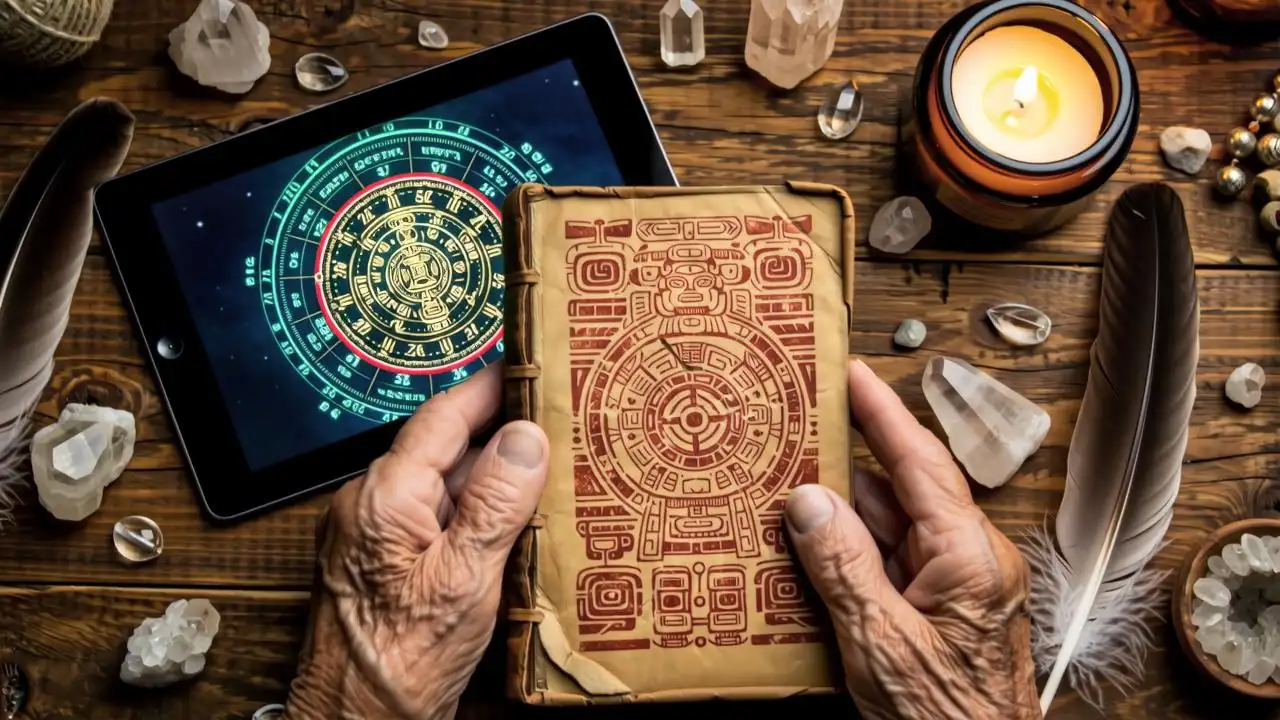
At the heart of Mayan astrology is the Tzolk'in calendar, a 260-day sacred cycle composed of two interlocking sequences: 13 numbers (representing energy levels) and 20 named solar glyphs (symbolizing archetypal forces). These combine to create 260 unique day signs (13 × 20), each carrying distinct spiritual and energetic qualities. To discover your Mayan sign, you must identify which of these 260 combinations corresponds to your birth date.
To find your Mayan zodiac sign, follow this simple step-by-step guide:
Popular tools for discovering your Mayan sign include the FAMSI (Foundation for Advancement of Mesoamerican Studies, Inc.) calendar calculator, Mayan Majix, and various verified astrology websites that incorporate scholarly research. Some even allow users to generate personalized charts detailing their life path, strengths, and challenges based on their what animal is my Mayan sign association.
Each of the 20 solar glyphs in the Tzolk'in calendar carries symbolic meaning rooted in nature, animals, and natural elements. Below is a detailed breakdown of the Mayan signs, their associated traits, and spiritual insights:
Understanding your Mayan astrology sign meanings offers more than personality insight—it reveals your soul’s purpose and how you interact with universal energies.
One of the most frequently asked questions among those exploring this tradition is: What animal is my Mayan sign? While not every glyph is an animal—some represent natural phenomena like Wind or Flint—many are embodied by creatures that reflect core aspects of human nature and the environment.
For instance, the Jaguar symbolizes raw strength, stealth, and spiritual guardianship. In Mayan cosmology, jaguars were believed to travel between worlds, making them powerful spirit guides. Similarly, the Eagle represents elevated perspective and visionary leadership, often associated with divine messages and clarity of thought. The Dog, though humble, embodies unwavering loyalty and emotional intelligence—qualities essential for building meaningful connections.
These animal symbols do more than classify personality types—they serve as spiritual mentors. By meditating on the attributes of one’s glyph, individuals can gain guidance in decision-making, career choices, and personal growth. For example, someone with the Crocodile sign might draw on its nurturing energy during times of family crisis, while a person born under Reed could use its stabilizing influence when launching a long-term project.
While both Mayan and Western astrology aim to interpret human experience through cosmic patterns, they differ significantly in structure and philosophy. Understanding Mayan vs Western astrology helps clarify why some people prefer one system over the other—or choose to study both.
The primary difference lies in the calendar systems. The Mayan Tzolk'in operates on a 260-day cycle, independent of the solar year, whereas the Western zodiac follows the 365.25-day tropical year divided into 12 constellations. Additionally, Mayan astrology uses 20 solar glyphs compared to the 12 signs of the Western zodiac, offering a more granular framework for interpretation.
Philosophically, Mayan astrology emphasizes cyclical time and spiritual destiny. It focuses less on planetary influences and more on the energy of days and personal alignment with natural forces. In contrast, Western astrology relies heavily on planetary positions at birth (such as the Sun, Moon, and Ascendant) to map psychological tendencies and life events.
Despite differences, both systems share a common goal: fostering self-awareness and guiding life decisions. Whether analyzing your moon phase or your Tzolk'in day sign, the intent is to deepen understanding of oneself within the cosmos. For those interested in comparative studies, examining Mayan astrology sign meanings alongside their Western counterparts can reveal complementary insights.
Learning how to Discover your Mayan sign is more than a curiosity—it's a pathway to greater self-awareness. By connecting with the energies of the Tzolk'in, individuals can gain insight into their innate strengths, challenges, and life purpose. The symbolism embedded in each glyph, especially when tied to animals and natural elements, provides a rich language for reflection and growth.
To integrate Mayan astrology into modern life, consider keeping a journal of your sign’s energy throughout different lunar cycles, meditating on your glyph’s qualities, or consulting traditional calendars to select favorable days for important activities. Authentic resources such as Linda Schele’s *A Forest of Kings*, David Bolinsky’s *The Mayan Calendar Made Easy*, or official publications from the Peabody Museum at Harvard offer historically grounded perspectives.
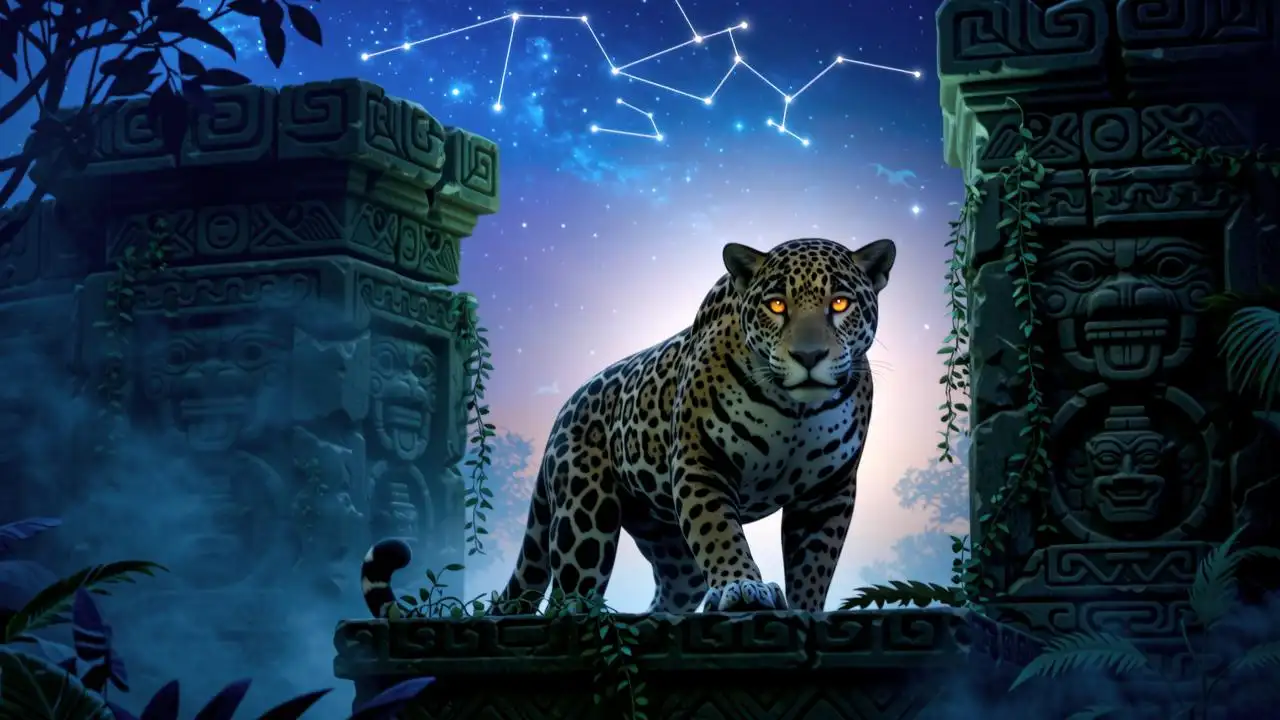
Ultimately, Mayan astrology invites us to slow down, honor natural rhythms, and recognize the sacred in everyday life. Whether you're exploring your sign out of cultural interest or spiritual seeking, the journey begins with a single question: What does my birth date reveal about my place in the great wheel of time?
【Disclaimer】This article contains information related to Mayan astrology and associated concepts for educational and informational purposes only. It does not constitute professional advice in psychology, spirituality, or any other field. Readers are encouraged to consult qualified experts before making decisions based on the content herein. The author and publisher disclaim any liability for actions taken as a result of reading this material.
Jared Thompson
|
2025.12.02
