

 Feed back
 Privacy Policy
Astrology has been a subject of human fascination for thousands of years, offering insight into personality traits, life patterns, and cosmic influences. Central to this ancient practice are the signs in astrology, also known as zodiac signs—twelve distinct segments of the sky that correspond to specific time periods throughout the year. These signs form the foundation of Western astrology and are primarily based on the position of the Sun at the time of a person's birth, commonly referred to as one's "sun sign." The study of these signs helps individuals understand themselves and others through symbolic interpretations rooted in celestial movements.

The concept of the zodiac originated in Babylonian astronomy around 1000 BCE and was later formalized by the Greeks. The word "zodiac" comes from the Greek *zōidiakos*, meaning "circle of little animals," reflecting the animal symbols associated with many of the signs. Over centuries, astrologers developed a system in which the sky is divided into twelve equal 30-degree sections along the ecliptic—the apparent path of the Sun across the celestial sphere. This framework forms what is known as the **tropical zodiac**, used predominantly in Western astrology. Unlike the sidereal zodiac used in Vedic astrology, the tropical zodiac is aligned with Earth's seasons rather than fixed star constellations.
So, what are the signs in astrology? Each sign represents a unique blend of characteristics influenced by its ruling planet, elemental nature, and modal quality. While modern science does not validate astrology as an empirical discipline, millions use it as a tool for self-reflection, relationship compatibility, and personal growth. Psychological frameworks like those proposed by Carl Jung have drawn parallels between archetypal symbolism in astrology and the collective unconscious, lending some conceptual credibility to its interpretive value.
The zodiac is more than just horoscopes in newspapers; it is a structured system designed to interpret human behavior through celestial observation. At its core, each of the twelve **astrology signs** corresponds to a month-long period during which the Sun transits through a particular segment of the zodiac. These signs serve as symbolic representations of different aspects of the human experience—from ambition and emotion to communication and stability.
In personality interpretation, your sun sign offers a broad overview of your core identity—your motivations, strengths, and challenges. For example, someone born under Aries may exhibit leadership qualities and impulsiveness, while a Taurus individual might be seen as dependable and resistant to change. However, it's important to note that sun signs represent only one component of a full astrological profile. More accurate readings involve analyzing the Moon sign (emotions), rising sign (outer persona), and planetary placements within a natal chart.
The 12-sign system of the tropical zodiac begins with Aries at the vernal equinox (around March 21) and proceeds counterclockwise through the year. Each sign spans approximately 30 days, creating a cyclical model that reflects seasonal changes and natural rhythms. This alignment with the Earth's annual journey around the Sun gives the tropical zodiac its seasonal relevance and symbolic depth.
To better understand how the zodiac functions, let's explore the complete astrology signs list with their corresponding date ranges, key traits, and modalities:
Beyond dates and traits, each sign belongs to one of three modalities: cardinal, fixed, or mutable. Cardinal signs (Aries, Cancer, Libra, Capricorn) initiate action and lead change. Fixed signs (Taurus, Leo, Scorpio, Aquarius) provide stability and determination. Mutable signs (Gemini, Virgo, Sagittarius, Pisces) adapt and transition, preparing for new cycles. Understanding modality adds another layer to interpreting how individuals approach life circumstances.
One of the most influential factors shaping zodiac sign personalities is the elemental classification. The four elements—Fire, Earth, Air, and Water—are foundational to both astrology and ancient philosophy, symbolizing fundamental modes of being. These element signs in astrology help categorize the emotional, mental, and behavioral tendencies of each sign.
Fire signs (Aries, Leo, Sagittarius) embody energy, passion, and inspiration. They are naturally enthusiastic, courageous, and action-oriented. Fire signs often take initiative and inspire others, though they can sometimes act impulsively or become overly assertive without proper grounding.
Earth signs (Taurus, Virgo, Capricorn) represent stability, practicality, and material awareness. Grounded in reality, these signs value tangible results, hard work, and physical comfort. While reliable and patient, they may struggle with rigidity or resistance to change.
Air signs (Gemini, Libra, Aquarius) govern intellect, communication, and social interaction. These signs thrive on ideas, conversation, and mental connections. Air types are often witty, curious, and open-minded, but may appear detached or overly analytical in emotional situations.
Water signs (Cancer, Scorpio, Pisces) are deeply emotional, intuitive, and empathetic. They navigate life through feelings and subconscious currents. Highly perceptive, water signs form strong emotional bonds, though they may also experience mood fluctuations or difficulty setting boundaries.
The interplay of elements creates compatibility patterns—for instance, fire and air generally support each other (fire needs air to burn; air finds purpose in fueling fire), while water and earth can either nurture (like rain feeding soil) or stagnate (if too dense). Recognizing elemental dynamics enhances understanding of interpersonal relationships and personal development.
In astrology, each zodiac sign is governed by a celestial body known as its ruling planet. These ruling planets of astrology signs are believed to channel specific energies that shape the temperament and inclinations of the sign. Planetary rulership provides deeper insight into why certain traits emerge in each sign.
Traditional rulerships were established in antiquity based on visible planetary observations. For example, Mars rules Aries because of its association with aggression and drive. However, with the discovery of outer planets (Uranus, Neptune, Pluto) in the 18th and 19th centuries, modern astrology introduced updated rulerships. Today, Scorpio is co-ruled by Mars (traditional) and Pluto (modern), reflecting both primal desire and transformative power.
| Sign | Traditional Ruler | Modern Ruler |
|---|---|---|
| Aries | Mars | Mars |
| Taurus | Venus | Venus |
| Gemini | Mercury | Mercury |
| Cancer | Moon | Moon |
| Leo | Sun | Sun |
| Virgo | Mercury | Mercury |
| Libra | Venus | Venus |
| Scorpio | Mars | Pluto |
| Sagittarius | Jupiter | Jupiter |
| Capricorn | Saturn | Saturn |
| Aquarius | Saturn | Uranus |
| Pisces | Jupiter | Neptune |
The influence of a ruling planet affects behavior and tendencies significantly. For instance, Mercury-ruled Gemini and Virgo are detail-oriented and communicative, while Sun-ruled Leo expresses confidence and vitality. When studying your chart, identifying where your ruling planet resides (by house and sign) reveals hidden motivations and areas of life emphasis.
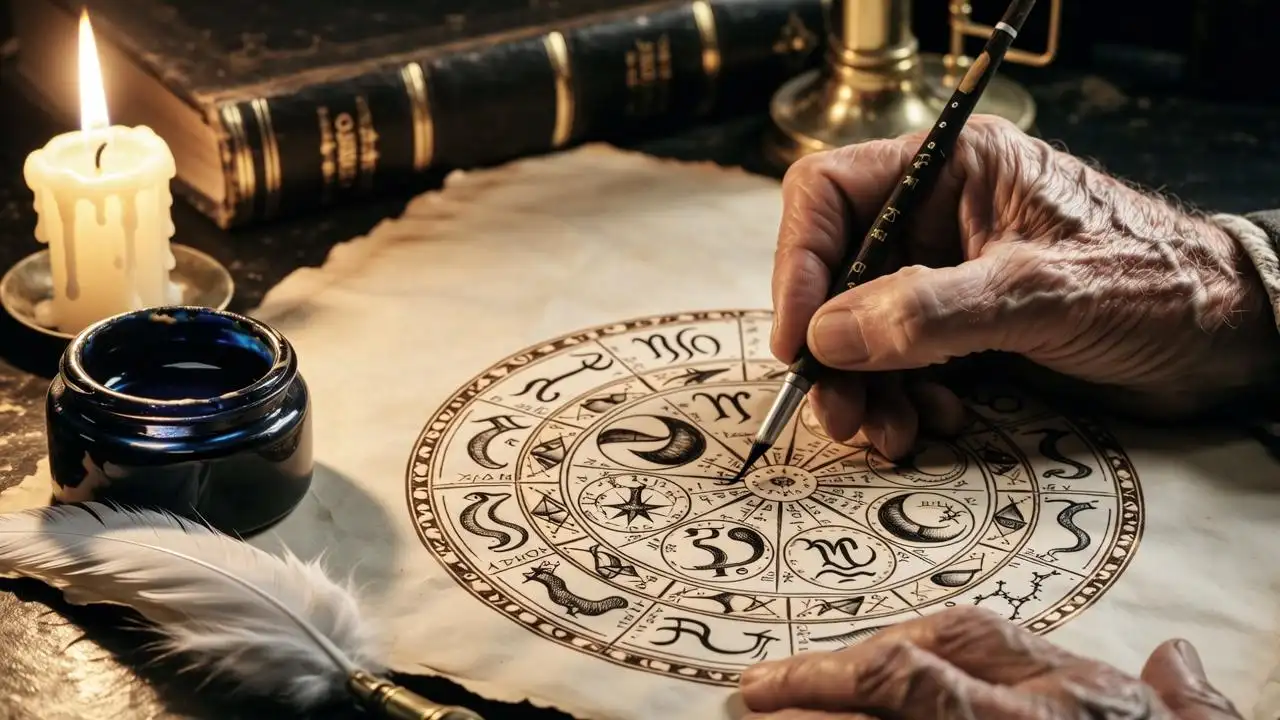
Understanding your sun sign is just the beginning. To gain a more comprehensive view of your personality, combine your sun sign with its associated element and ruling planet. For example, a Libra (air sign) ruled by Venus will express love and aesthetics through intellectual and harmonious means. Someone with a Capricorn sun (earth sign) ruled by Saturn will approach goals with discipline and realism.
For deeper insights, consider generating your full **birth chart** using your exact birth time, date, and location. Free tools like Astro.com or CafeAstrology.com offer detailed natal charts that include Moon signs, rising signs, and planetary aspects. Exploring beyond the simplified sun sign allows for a far more nuanced and accurate interpretation of astrological influences.
Ultimately, whether you're reviewing an astrology signs list, exploring element signs in astrology, or studying the ruling planets of astrology signs, this knowledge serves as a map—not a destiny. Used thoughtfully, astrology can enhance self-awareness, improve relationships, and guide personal growth.
【Disclaimer】The content related to astrology signs mentioned in this article is for reference only and does not constitute any professional advice in any related field. Readers should carefully assess their own circumstances and consult qualified professionals when necessary. The author and publisher of this article are not liable for any consequences arising from any actions taken based on its content.
Liam Carter
|
2026.01.05
